Ever feel like your private label packaging is wearing a generic Halloween costume—technically dressed, but nobody recognizes it at the party shelf?
This article shows how clear design rules, consistent materials, and smart suppliers turn that costume into a global brand uniform, backed by data from McKinsey.
📦 Definition and Scope of Private Label Packaging for Global Markets
Private label packaging lets brands sell unique products without owning factories. Global companies focus on consistent quality, flexible formats, and fast response to market changes.
Packaging partners provide structure design, printing, materials, and compliance, while brands control look, messaging, and positioning across different regions and sales channels.
1. Core Functions of Private Label Packaging
Private label packaging must protect products, carry the brand story, and fit retail and e‑commerce needs while staying cost‑effective at different volumes.
- Product protection and shelf life
- Clear branding and legal information
- Efficient shipping and storage
- Easy display for retail and online photos
2. Key Packaging Formats for Global Brands
Brands mix several formats to match product type, logistics, and shopper habits in each market while keeping a unified brand image.
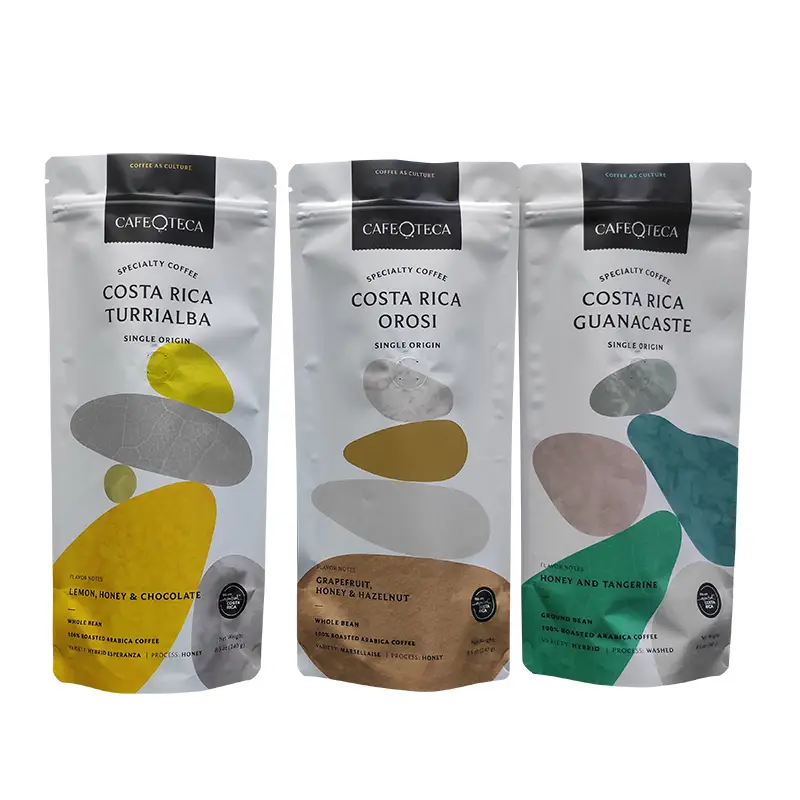
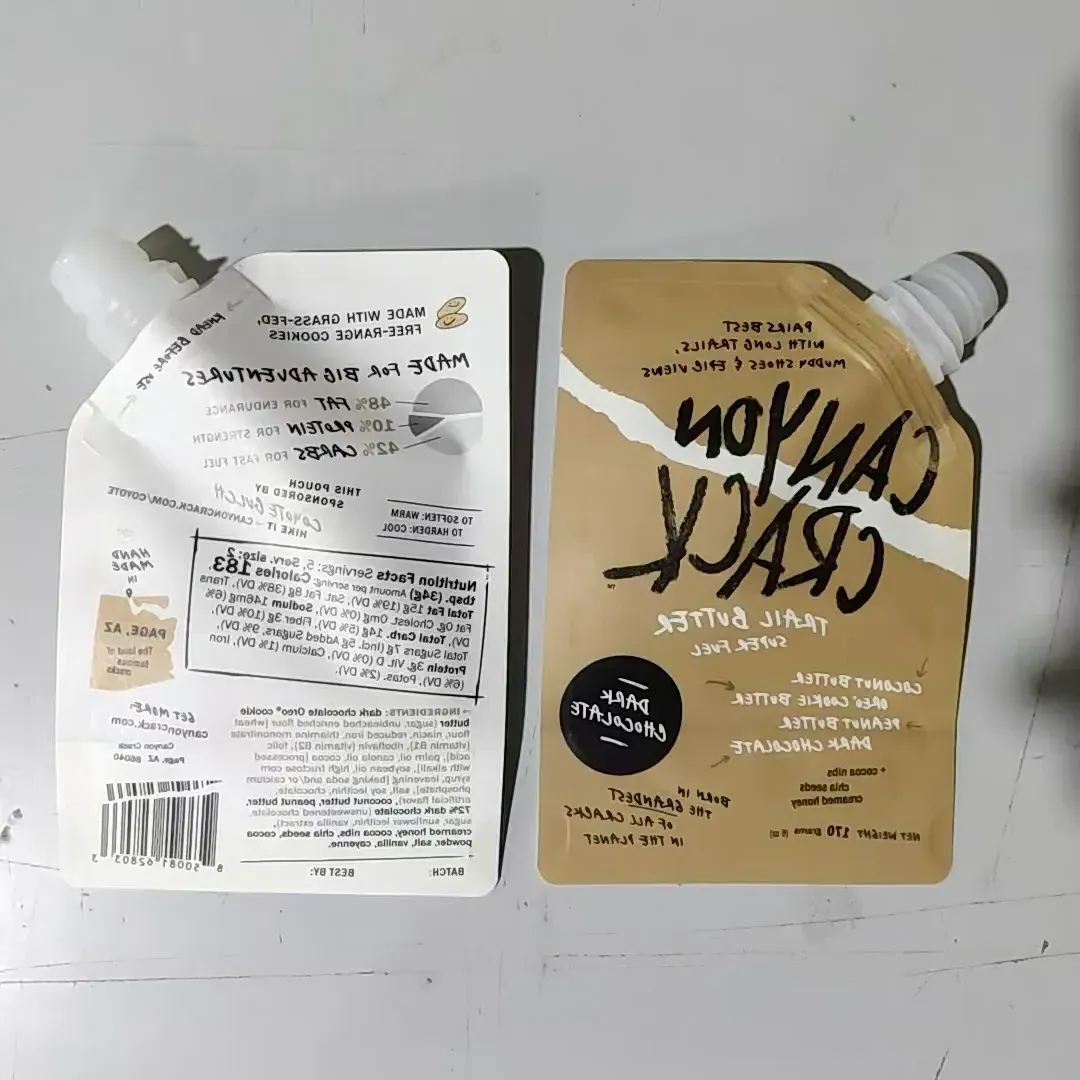
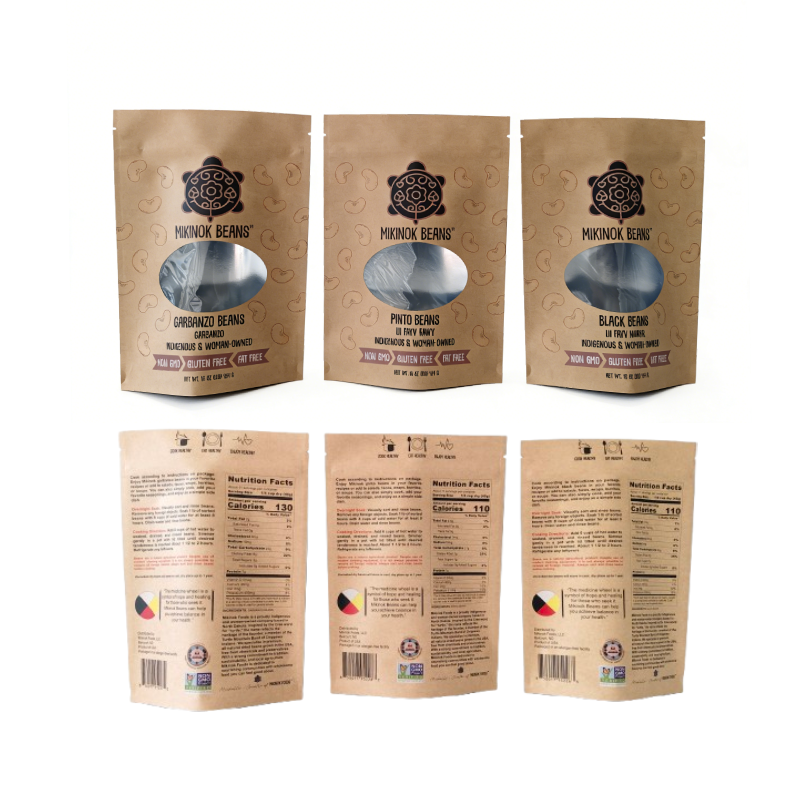
- Stand‑up and flat pouches for snacks and powders
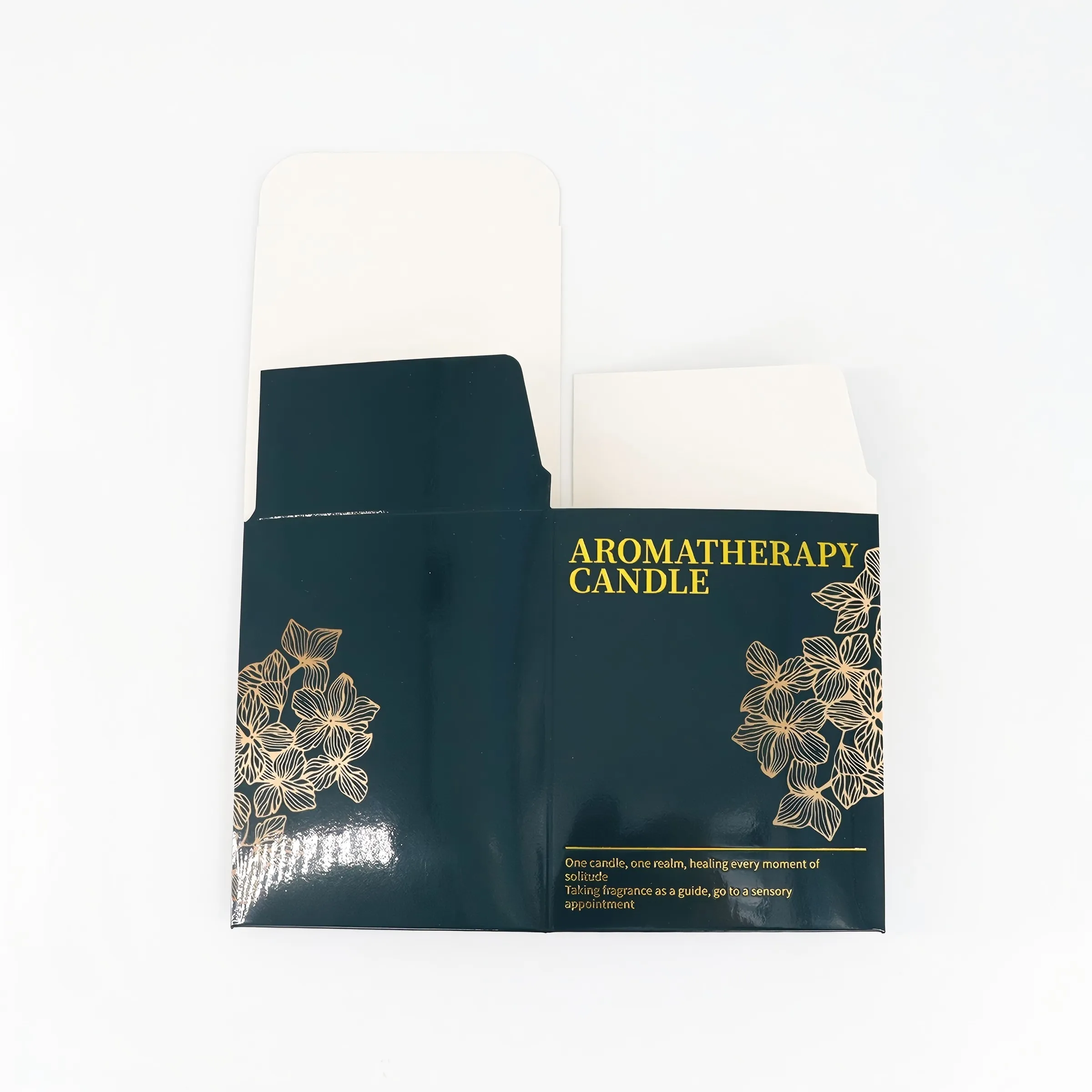
- Folding cartons and shipping boxes
- Flat bottom and box bottom bags for premium goods
- Refill packs to cut plastic and shipping costs
3. Customization Options and Brand Differentiation
Customization turns basic packaging into a silent salesperson and strengthens recognition across countries and digital channels.
| Area | Typical Options |
|---|---|
| Structure | Size, gusset style, zipper, spout, hang holes |
| Matte or gloss, spot varnish, metallic inks | |
| Material | Recyclable films, paper, foil laminates |
| Features | Easy‑tear, valves, child‑resistant closures |
4. Role of Specialized Packaging Partners
Experienced converters guide brands from idea to launch, manage risk, and ensure clean, repeatable quality across many SKUs and regions.
- Technical material selection and barrier design
- Cost modeling and MOQ planning
- Regulatory and labeling guidance
- Continuous improvement over multiple runs
🌍 Key Stakeholders and Workflow in Private Label Packaging Projects
Successful private label packaging links brand, supplier, and logistics teams through a clear workflow that reduces risk, waste, and time‑to‑market.
Each step, from design brief to shipment, needs defined owners, data sharing, and performance tracking across markets.
1. Main Stakeholders and Their Roles
Every stakeholder focuses on one part of the project, but they must share forecasts, specs, and quality feedback in real time.
| Stakeholder | Primary Focus |
|---|---|
| Brand team | Positioning, design, SKU strategy |
| Packaging supplier | Materials, printing, converting |
| Regulatory/QA | Compliance, testing, documentation |
| Logistics | Inventory, shipping, warehousing |
2. Standard Workflow from Brief to Shipment
Most projects follow a loop of briefing, sampling, validation, production, and review, supported by digital proofing and structured approvals.
- Design brief and 2D/3D mockups
- Material trials and pilot runs
- Artwork approval and keyline sign‑off
- Mass production, QC, and shipment
3. Data‑Driven Decision Making and KPIs
Teams track key indicators like lead time, defect rates, and on‑time delivery to improve planning and supplier performance.
4. Integrating E‑Commerce and Retail Requirements
Private label packaging must handle shelf impact, online imagery, and robust shipping with one coherent structural and graphic solution.
- Readable at small thumbnail sizes
- Scannable barcodes and QR codes
- Strong outer packs for parcel shipping
- Easy shelf filling and facing for stores
🧪 Quality Control, Testing Standards, and Regulatory Compliance Requirements
Global brands rely on strict testing and documentation so private label packaging consistently meets food safety, transport, and labeling rules.
Suppliers must combine lab checks, line control, and legal expertise for each target market.
1. Core Quality Control Practices
Quality teams monitor raw materials, in‑process checks, and finished goods to keep every batch within defined limits.
- Film thickness and seal strength tests
- Color matching against master standards
- Print registration and barcode legibility checks
2. Testing Standards for Food and Non‑Food Goods
Testing covers migration, mechanical strength, and barrier performance so products stay safe, fresh, and stable through the full supply chain.
| Area | Typical Checks |
|---|---|
| Food contact | Global and local migration, sensory |
| Barrier | Oxygen and moisture transmission rates |
| Transit | Drop, compression, vibration tests |
3. Regulatory and Labeling Compliance
Brands and suppliers align to meet rules such as FDA, EU, and local packaging and recycling laws in every destination country.
- Mandatory claims, languages, and symbols
- Lot coding and traceability systems
- Recycling marks and material disclosures
🔄 Design-to-Production Cycles and Supply Chain Coordination in Packaging
Short, repeatable design‑to‑production cycles help brands react fast to trends, while strong supply chains prevent stockouts and excess inventory.
Digital tools, flexible MOQs, and clear calendars cut risk and waste.
1. Agile Design and Rapid Prototyping
Fast mockups and small trial runs reduce rework and help brand teams lock artwork before major spending.
- Digital soft proofs and 3D renders
- Short‑run digital printing for tests
- Quick tooling for new pouch sizes
2. Inventory and Lead Time Management
Accurate forecasts, safety stock, and flexible production windows keep programs stable during demand spikes or transport delays.
| Lever | Benefit |
|---|---|
| Rolling forecasts | Better capacity planning |
| Staggered releases | Lower storage costs |
| Regional hubs | Faster local deliveries |
3. Coordinating Global and Local Requirements
Master artworks and modular keylines let brands adapt nutrition, language, and compliance panels without starting from zero each time.
- Shared global templates
- Localized content blocks
- Central artwork version control
🏭 Why Global Companies Partner with KB Packaging for Private Label Solutions
KB Packaging supports global brands with flexible MOQs, advanced pouch and box formats, and reliable quality tailored to food and non‑food lines.
Digital workflows and experienced teams speed launches while controlling total cost.
1. Flexible MOQs and Scalable Capacity
Brands can test new SKUs with low volumes, then scale winning designs without changing suppliers or compromising standards.
Solutions like Low MOQ Packaging Box Custom Patterns & Various Sizes make it easier to launch new lines in multiple channels.
2. Advanced Pouch and Bag Solutions
KB Packaging provides high‑performance pouches that balance shelf impact, protection, and sustainability for global markets.
- Food Grade Custom Flat Pouch 3 Side Seal Packaging for safe, compact food products
- Custom Box bottom pouch/Flat bottom pouch/8 side sealed bag Manufacturer With Lower MOQ for premium, stand‑stable goods
3. End‑to‑End Technical and Regulatory Support
KB Packaging teams support material selection, print engineering, and global compliance, giving brand owners one trusted partner from concept to delivery.
- Guidance on food contact and recycling rules
- Ongoing quality monitoring and reporting
- Support for multi‑country launches
Conclusion
Private label packaging works best when brands, suppliers, and logistics teams share clear data and stable processes across global markets.
With flexible formats, strict quality systems, and strong technical support, partners like KB Packaging help brands launch faster, reduce risk, and maintain a consistent image worldwide.
Frequently Asked Questions about Private Label Packaging
1. What is private label packaging?
Private label packaging is custom packaging produced by a specialist supplier, carrying your own brand name and design instead of the manufacturer’s label.
2. How long does a typical project take?
For new items, expect 4–8 weeks from final artwork approval to first delivery, depending on structure complexity and testing needs.
3. What is the minimum order quantity (MOQ)?
MOQs depend on material and format. KB Packaging offers low MOQs on many boxes and pouches, which is ideal for new or seasonal SKUs.
4. How do I ensure food safety compliance?
Work with suppliers that use certified food‑grade materials, run migration tests, and provide full documentation for your target markets.
5. Can I switch from existing packaging to more sustainable options?
Yes. Many brands now move to recyclable films or paper‑based structures. Test barrier and performance before full rollout to keep product quality stable.