Choosing the right packaging pouch can feel like speed‑dating for plastic bags—too big, too small, too flimsy, and somehow your product always ends up with the wrong match.
To fix this, match pouch type to product needs, shelf life, and branding goals, using data from reports like this packaging market analysis to guide smart, cost‑effective choices.
📦 Understanding Product Needs: Size, Shape, Weight, and Shelf Life
Choosing the right packaging pouch starts with your product. Match pouch size, shape, strength, and shelf life needs to protect goods and reduce shipping and storage costs.
Plan carefully before ordering. Test samples, measure real fill volume, and confirm how pouches sit on shelves, in boxes, and during transport.
1. Matching Size to Product Volume
Measure net weight or volume, then add space for sealing and expansion. Right sizing avoids waste, lowering costs and improving brand perception.
- Check product density and flow
- Allow room for resealable zippers
- Test fill lines on sample pouches
2. Considering Shape and Function
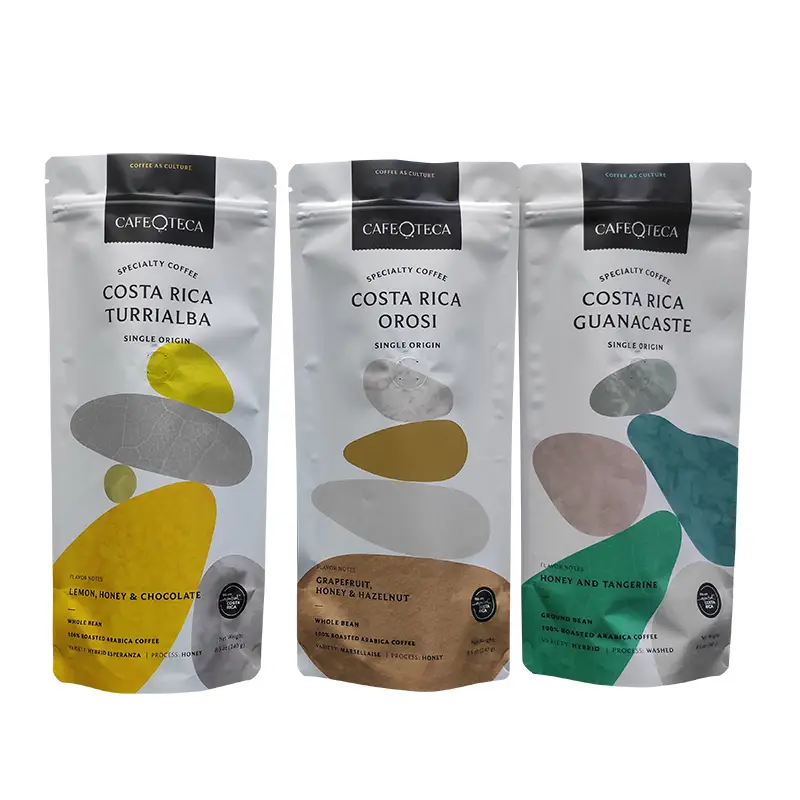
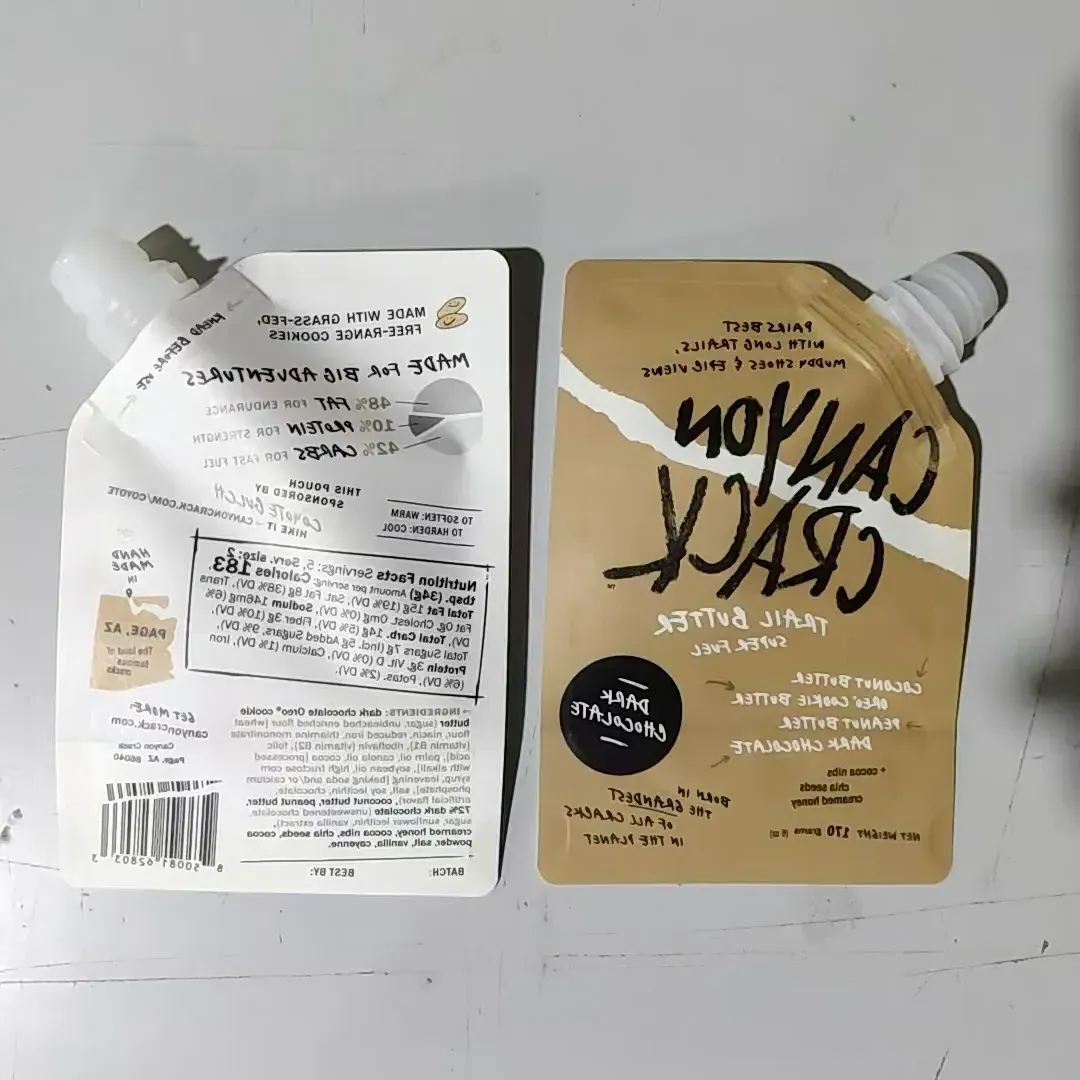
Flat, stand-up, and gusset pouches each work best for different products. Choose a shape that displays well and opens easily for buyers.
| Pouch Type | Best Use |
|---|---|
| Flat | Samples, single-use goods |
| Stand-up | Snacks, coffee, pet treats |
| Gusset | Bulk foods, heavier items |
3. Weight and Durability
Heavy or sharp products need thicker films and reinforced seals. Check drop strength and seal strength to avoid leaks or tears in transit.
- Use thicker films for bulk packs
- Consider extra side seals
- Run drop and compression tests
4. Shelf Life and Storage Conditions
Set target shelf life, then pick barrier levels to match. Consider humidity, temperature, and UV exposure across shipping, store, and home use.
- Define required best-before date
- Check if cold chain is used
- Plan for re-closable features
🛡️ Material Matters: Barrier Protection Against Moisture, Oxygen, and Light
Pouch materials decide how well your product resists moisture, oxygen, and light. Good barrier design keeps flavor, color, and texture stable longer.
Balance barrier with cost and sustainability. High-barrier laminates suit coffee and snacks, while simpler films fit short-life or frozen items.
1. Comparing Common Barrier Films
Each film type blocks different threats. Combine layers to gain strength, sealing, and barrier while keeping print quality high and costs controlled.
| Material | Moisture Barrier | Oxygen Barrier | Light Barrier |
|---|---|---|---|
| OPP | Medium | Low | Low |
| PET | Medium | Medium | Medium |
| AL Foil | High | High | High |
| PE | High | Low | Low |
2. Simple Data View of Barrier Choices
Use data to balance barrier and budget. The chart below shows example barrier ratings to guide early decisions when choosing pouch structures.
3. Moisture and Oxygen for Food Products
Snacks, coffee, and dry foods need strong moisture and oxygen barriers. Use valves, desiccants, or nitrogen flushing to keep products fresh.
- Test water vapor transmission rates
- Use zippers for repeat access
- Review lab shelf-life data
4. Light-Sensitive Products
Supplements, oils, and some seasonings degrade with light. Pick opaque or metallized films to block UV and extend product quality.
🌱 Sustainability Choices: Eco-Friendly Pouch Materials and Responsible Disposal
Many brands now favor eco-friendly pouches. Choose recyclable, compostable, or paper-based options and clearly explain how buyers should dispose of them.
Balance green goals with protection. Ensure new materials still guard product safety, flavor, and shelf life before full-scale rollouts.
1. Recyclable and Mono-Material Options
Mono-material PE or PP pouches can be easier to recycle. Clear recycling icons help buyers sort packs correctly and support local programs.
- Choose widely accepted resin codes
- Avoid mixed, hard-to-separate layers
- Print clear recycling messages
2. Paper and Compostable Structures
Paper and compostable films give a natural look. They work best for dry products with moderate shelf-life needs and controlled storage conditions.
| Type | Best For | Note |
|---|---|---|
| Kraft paper | Tea, dry snacks | Often needs inner liner |
| Compostable film | Light dry goods | Check standard labels |
3. Clear Disposal Instructions
Explain disposal steps on-pack. Simple icons and short text reduce confusion, helping buyers support your sustainability goals in daily life.
🖨️ Print and Design: Communicating Brand Story Through Pouch Graphics
Strong pouch graphics catch attention and explain benefits fast. Use color, images, and text to share your brand story and key claims.
Plan for printing method, finish, and layout so the pouch works in online photos, on store shelves, and in shipping cartons.
1. Front-of-Pack Messaging
Highlight the top three selling points on the front. Keep claims honest, readable, and large enough to spot from a distance.
- Product name and flavor
- Core benefit (organic, high protein)
- Net weight and key icons
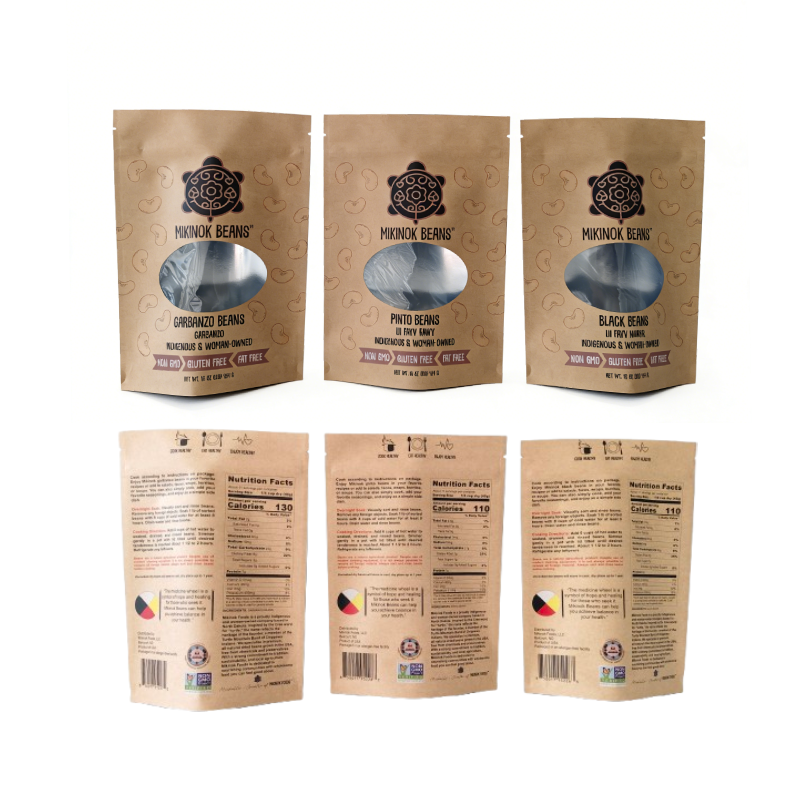
2. Back Panel for Details
Use the back for nutrition, usage tips, and brand story. A clear layout builds trust and cuts buyer confusion or returns.
3. Printing Methods and Finishes
Digital printing works well for small runs and many designs, while gravure suits high volumes. Matte or gloss finishes change shelf impact.
🏭 Partnering with Experts: Why KB Packaging Is a Reliable Pouch Supplier
A skilled packaging partner helps balance cost, design, and performance. KB Packaging offers flexible support, fast response, and strong quality control for varied product lines.
From structure design to artwork, you can get guidance at each step, reducing risk and speeding market launch.
1. Flexible Order Quantities and Product Range
With KB Packaging, you can test ideas using smaller runs and scale later. This lowers risk when entering new markets or releasing new flavors.
- Custom pouches for food and non-food
- Support for new and growing brands
- Options that pair with Low MOQ Packaging Box Custom Patterns & Various Sizes
2. Food-Safe and Tested Solutions
Food products need safe materials and reliable seals. KB Packaging offers certified, food-contact materials such as their Food Grade Stand Up Zipper Pouch Packaging Bag.
3. Integrated Box and Pouch Packaging
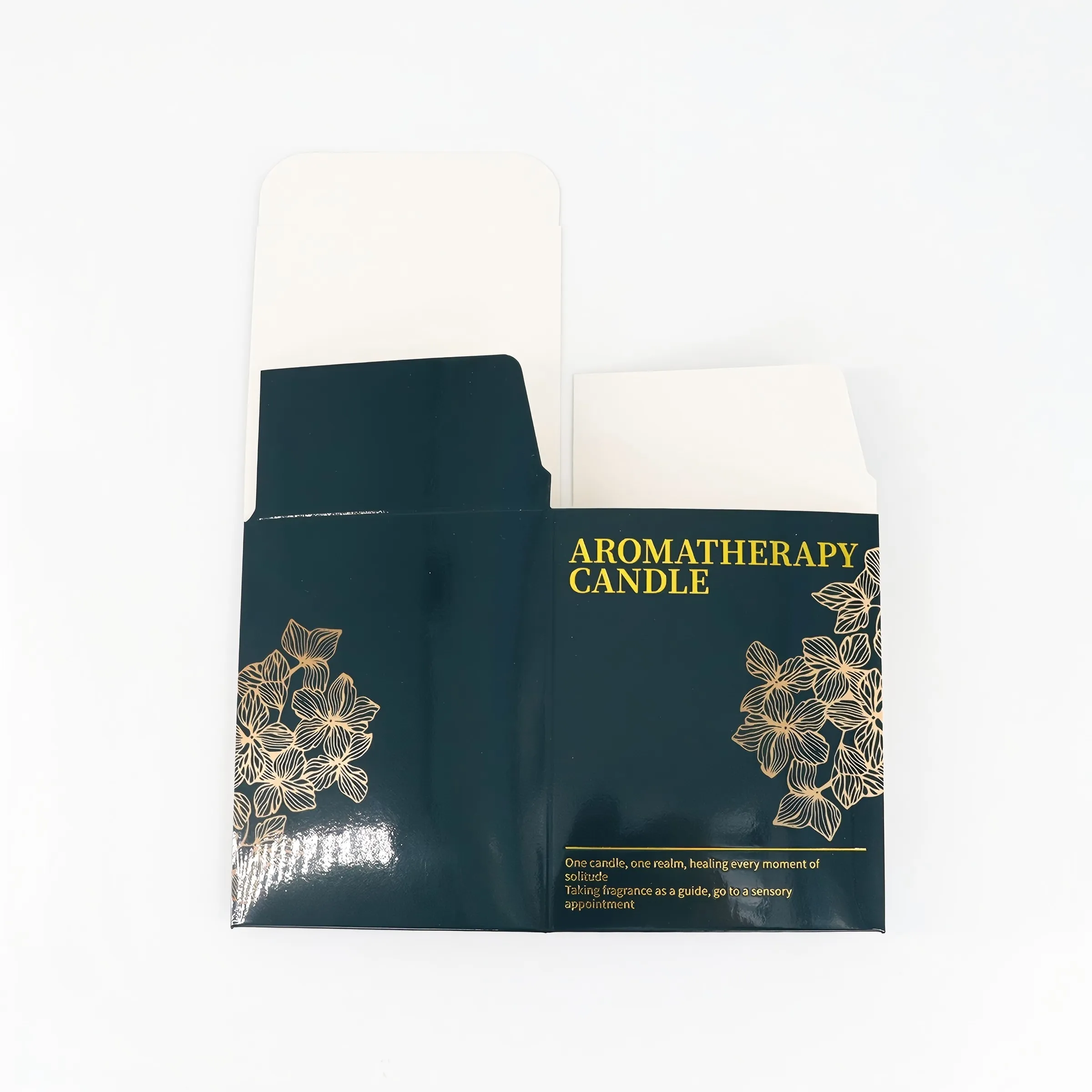
Many brands ship pouches inside cartons. KB Packaging also supplies options like the Foldable Paper Box Custom Various Sizes Available to create a full packaging system.
Conclusion
The right pouch protects your product, shows your brand clearly, and supports your budget and sustainability goals. Start with product needs, then match materials, size, and graphics.
Work with expert suppliers to test samples, refine designs, and confirm barrier performance. This process helps you launch reliable, attractive packaging that buyers can trust.
Frequently Asked Questions about Packaging Pouches
1. How do I choose the best pouch size?
Weigh or measure your product, then add space for sealing and expansion. Test with filled samples to confirm ease of filling and attractive shelf presence.
2. Which materials are best for snacks and coffee?
Use high-barrier laminates with strong moisture and oxygen protection, often PET or metallized layers with PE sealing films, plus zippers or valves if needed.
3. Are eco-friendly pouches always compostable?
No. Some are recyclable mono-materials, others are paper-based or compostable. Always read material details and explain disposal steps clearly on the pack.
4. When should I choose digital printing?
Digital printing suits short runs, many variants, and frequent design changes. It cuts plate costs and speeds testing of new flavors or seasonal artwork.
5. Why partner with a packaging specialist?
A specialist helps you avoid under- or over-packaging, choose safe materials, meet regulations, and align pouches with your brand and logistics needs.