Your packaging “looks recyclable” but your bins, buyers, and brand team all disagree, turning every shipment into a guessing game with bonus landfill guilt.
This white paper maps clear, closed-loop supply chains, backed by industry-leading circular economy research, so your packaging actually gets recycled.
📦 Global Policy Drivers Reshaping Recyclable Packaging Supply Chain Standards
Governments are tightening rules on waste, recyclability, and carbon reporting. These policies now shape design, sourcing, logistics, and end‑of‑life management for every packaging format.
Brands that align early with clear, recyclable packaging rules gain lower risk, better market access, and stronger consumer trust across global supply chains.
1. Extended Producer Responsibility (EPR) Rules
EPR laws make brands pay for collection and recycling. This pushes companies to favor mono‑material packs and clear labeling for easier sorting.
- Higher fees for non‑recyclable packs
- Incentives for recycled content
- Country‑specific reporting needs
2. Single‑Use Plastic Bans and Taxes
Plastic bans and taxes speed up the move to recyclable films, paper structures, and refill models across food, beauty, and household goods.
- Ban lists by region
- Thresholds for plastic content
- Shift to reusable formats
3. Recycling and Reuse Targets
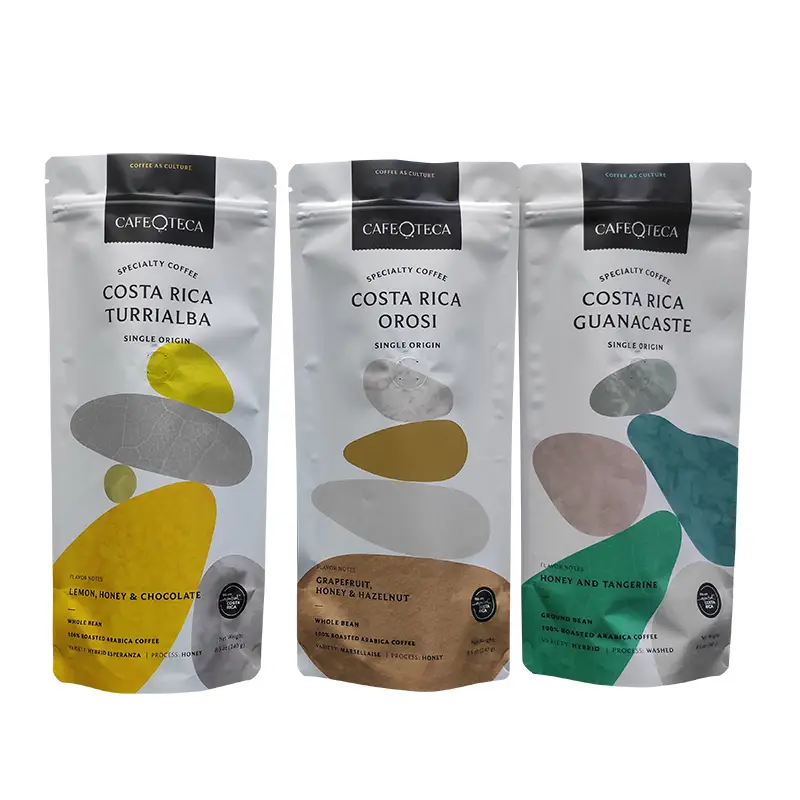
Mandated recycling rates force better pack design and stronger links with recyclers, influencing how products like Food Grade Stand Up Zipper Pouch Packaging Bag enter material loops.
4. Transparent ESG and Supply Chain Reporting
ESG rules require clear data on material origin, recyclability, and end‑of‑life outcomes, driving digital tools and standardized labels across markets.
♻️ Material Innovations Improving Recyclability, Durability, and Circularity Performance
New materials focus on easy sorting, strong barrier performance, and higher recycled content. They help brands cut waste while keeping products safe and fresh.
Design teams now test materials for full life‑cycle impact, from resin choice to how local systems collect and reprocess each pack type.
1. Mono‑Material Films and Pouches
Mono‑material PE and PP films replace mixed layers, making pouches easier to recycle at scale while protecting flavor, aroma, and texture.
2. Recyclable Paper and Hybrid Structures
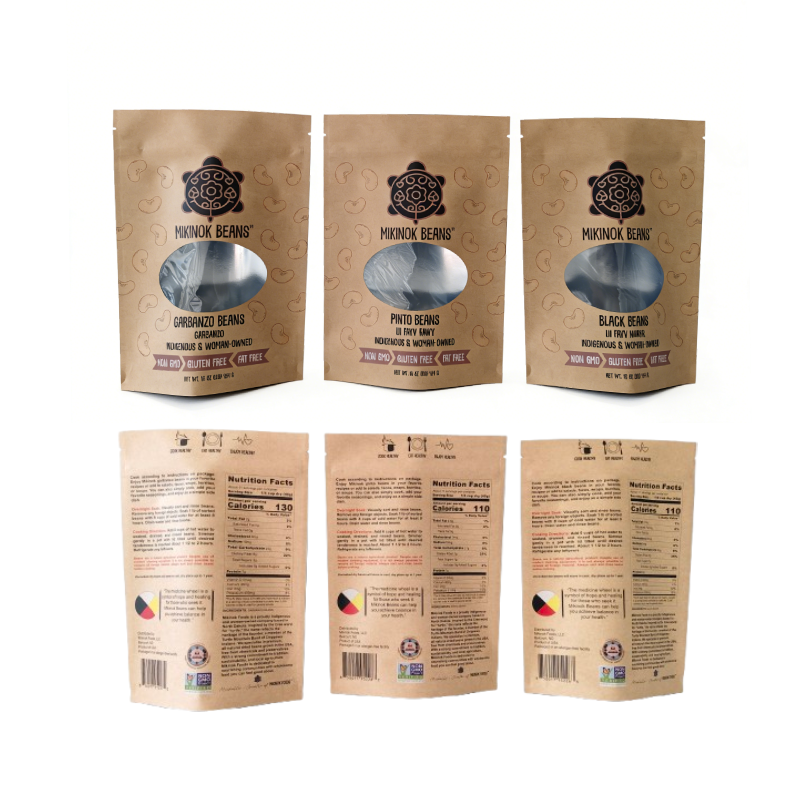
Coated papers and light barriers let boxes such as Eco Friendly Packaging Box Custom Patterns Various Sizes stay curbside‑recyclable while still resisting moisture and grease.
3. High‑Quality Recycled Content Integration
Advanced washing and de‑inking make recycled plastics and fiber safer for food‑grade and cosmetic applications, closing key material loops.
4. Comparative Performance of Next‑Gen Materials
The chart below compares recyclability and recycled content use for three key packaging formats in a typical regional market.
🚚 Logistics Strategies Reducing Waste and Emissions in Packaging Distribution Networks
Optimized logistics cuts emissions and packaging damage across warehouses, transport hubs, and last‑mile delivery, supporting cleaner, leaner supply chains.
1. Load Optimization and Pack Right‑Sizing
Right‑sized cartons and bags raise truck fill rates and reduce void space, which lowers fuel burn and secondary packing needs.
- Standardized case dimensions
- Dynamic pallet planning tools
2. Low‑Carbon Transport Choices
Mode shifts from air to sea or rail, plus route optimization and EV fleets, help brands align with science‑based targets.
3. Damage Reduction Through Stronger Pack Design
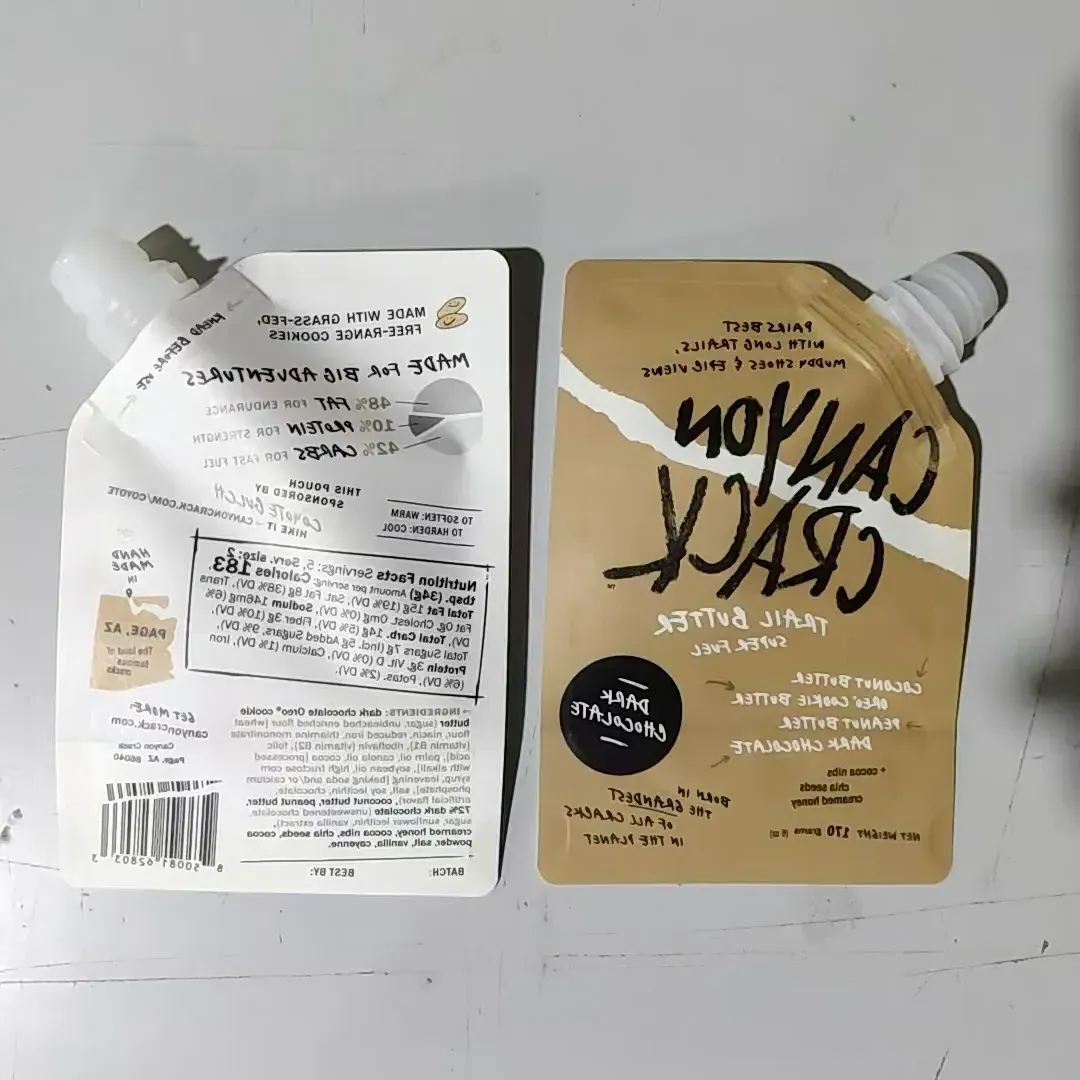
Durable designs like the Custom Back sealed bag/Pillow pouch Manufacturer With Lower MOQ reduce breakage, product loss, and reverse logistics emissions.
📊 Data-Driven Traceability for End-to-End Recyclable Packaging Compliance
Digital tracking links each pack to its material, journey, and end‑of‑life pathway, helping prove compliance and improve recovery.
1. Digital IDs, QR Codes, and Batch Tracking
On‑pack QR codes and unique IDs connect consumers and recyclers to material details, sorting tips, and regional take‑back options.
2. Integration with EPR and Regulatory Reporting
Central data platforms collect weight, material, and country‑level flows to feed EPR fee models and waste‑reduction dashboards.
3. Analytics for Design and Inventory Decisions
Analytics reveal which formats recycle best, which regions lag, and where to redesign or relaunch lighter, simpler packs.
🏭 Collaborative Models Between Manufacturers and KB Packaging for Closed-Loop Systems
Closed‑loop systems need strong partnerships between brands, converters, recyclers, and retailers to keep materials in use longer.
1. Co-Design for Local Recycling Realities
KB Packaging works with clients to design packs that match real sorting and recycling technologies in each target market.
2. Take-Back, Sorting, and Reprocessing Alliances
Joint pilots with recyclers and retailers test deposit schemes, drop‑off points, and material buy‑back programs for select formats.
3. Shared Data, KPIs, and Continuous Improvement
Common dashboards track recycled content use, return rates, and carbon impact, guiding yearly upgrades in specs and sourcing.
Conclusion
Recyclable packaging now sits at the center of policy, design, and logistics decisions. Companies that invest in better materials, traceability, and collaboration will reduce risk and improve brand value.
By working with expert partners like KB Packaging, brands can build reliable, closed‑loop systems that meet strict rules while delighting consumers.
Frequently Asked Questions about Recyclable Packaging
1. What makes packaging truly recyclable?
Packaging is truly recyclable when local systems can collect, sort, and reprocess it at scale, and when its design uses simple, well‑known materials.
2. How can brands start improving recyclability fast?
Begin with pack audits, remove mixed materials, choose mono‑material options, add clear labels, and check designs against local recycling rules.
3. Are recycled materials safe for food contact?
Yes, when suppliers follow strict cleaning, testing, and regulatory standards. Always confirm food‑contact approvals for each resin and region.
4. How does traceability help with EPR rules?
Traceability systems track material type, weight, and destination. This data supports EPR reporting, fee optimization, and design‑for‑recycling decisions.
5. Why partner with a specialist like KB Packaging?
Specialists bring tested materials, regulatory insight, and proven pack formats, which cuts trial time and speeds compliant market launches.