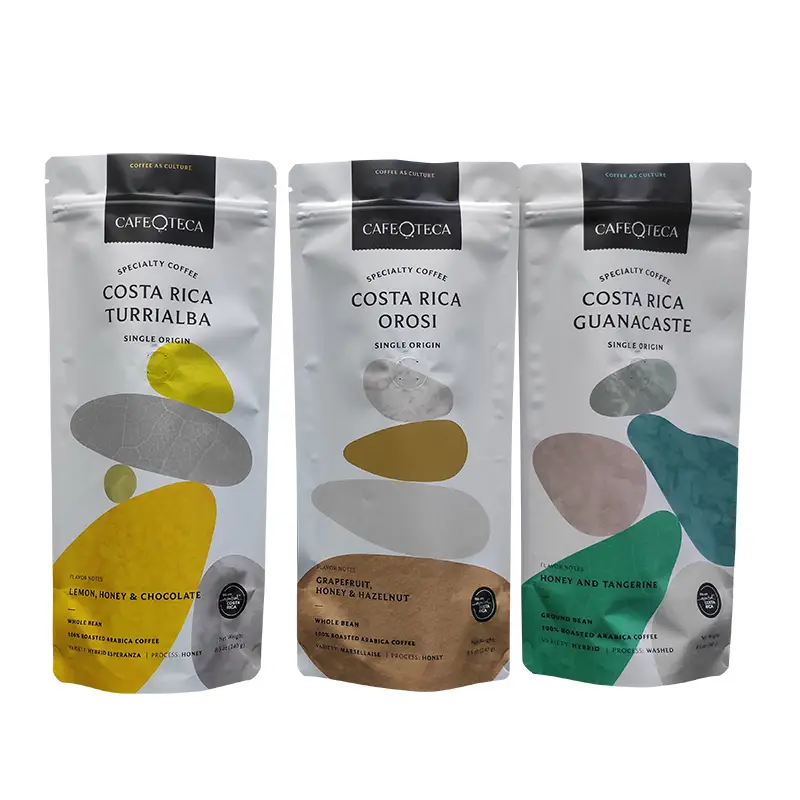
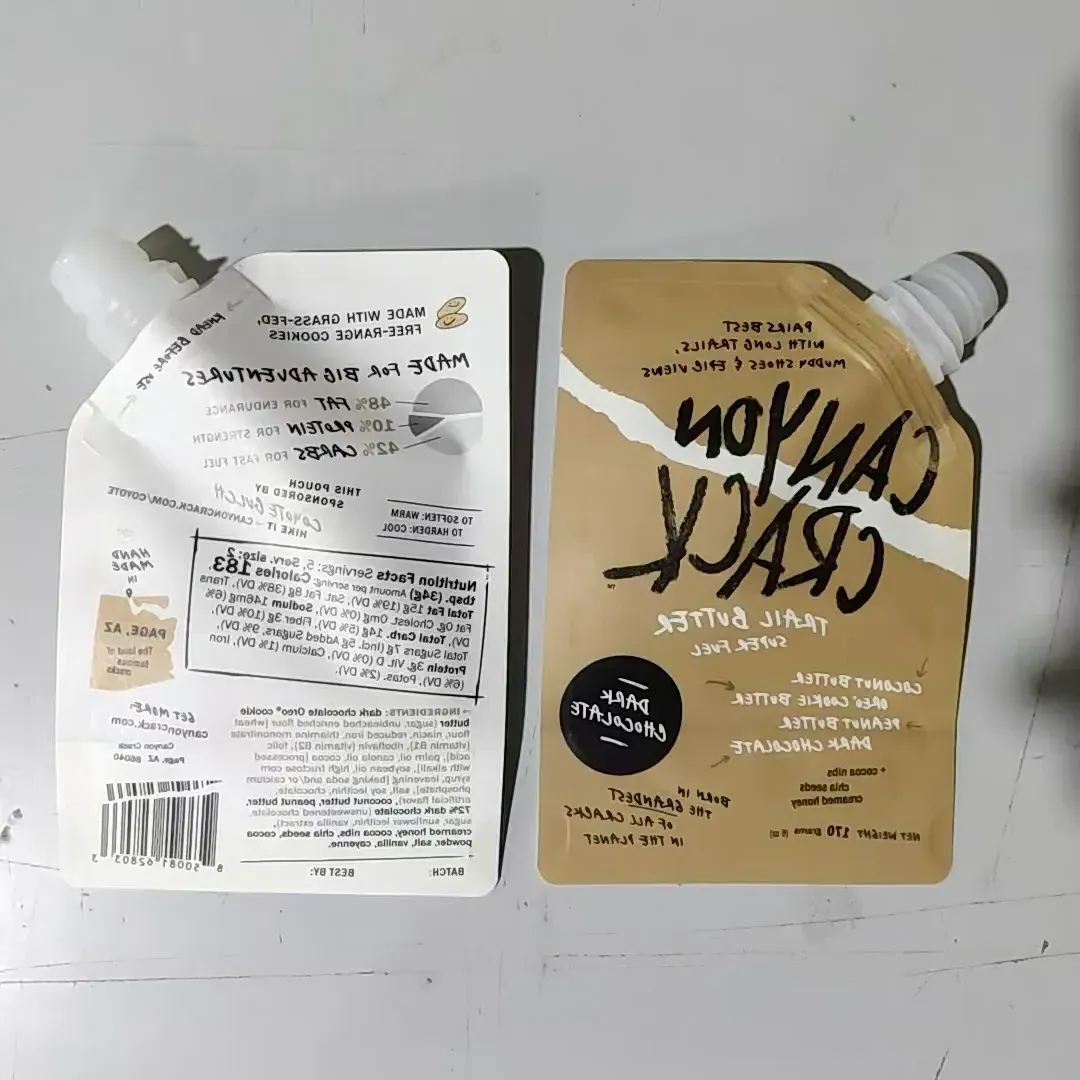
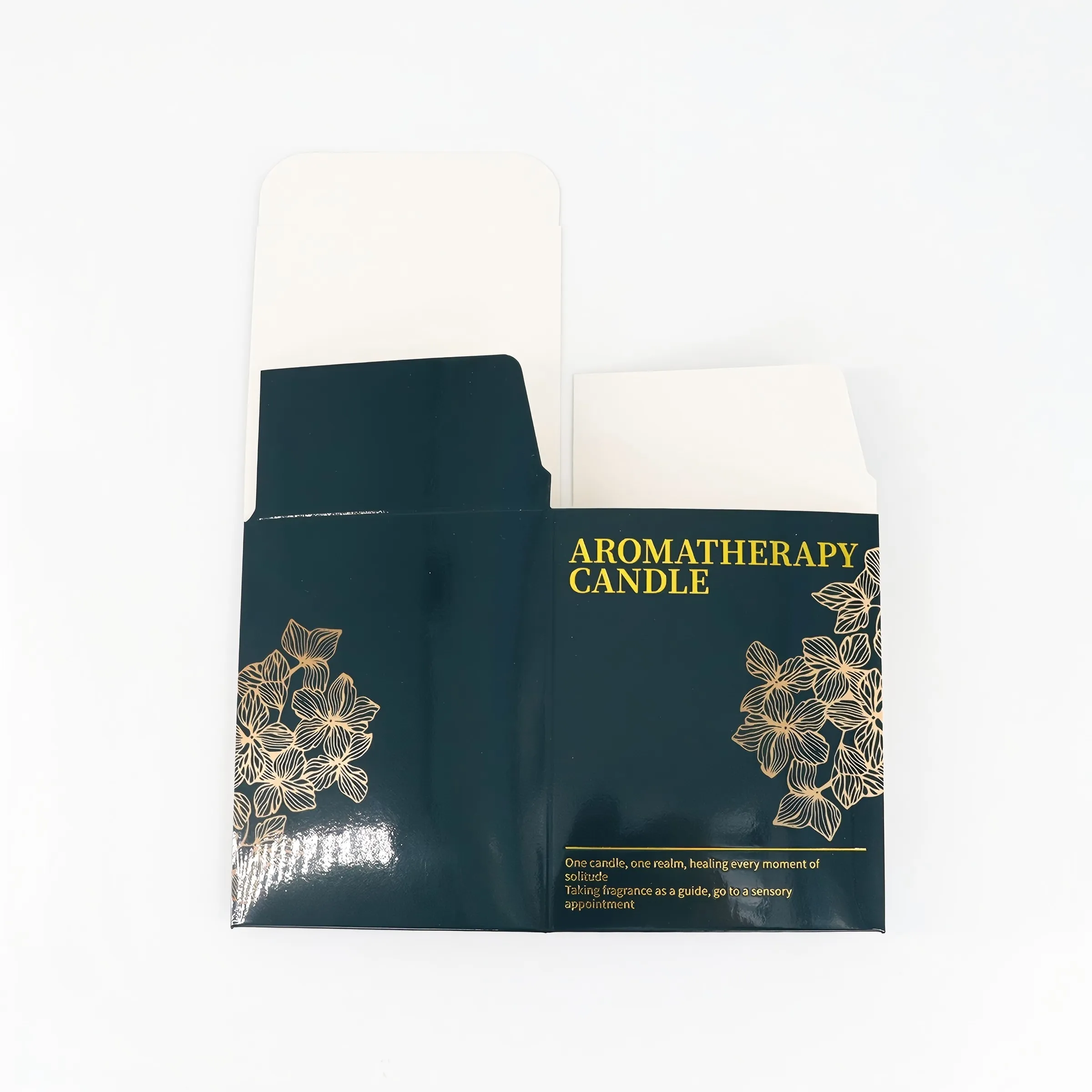
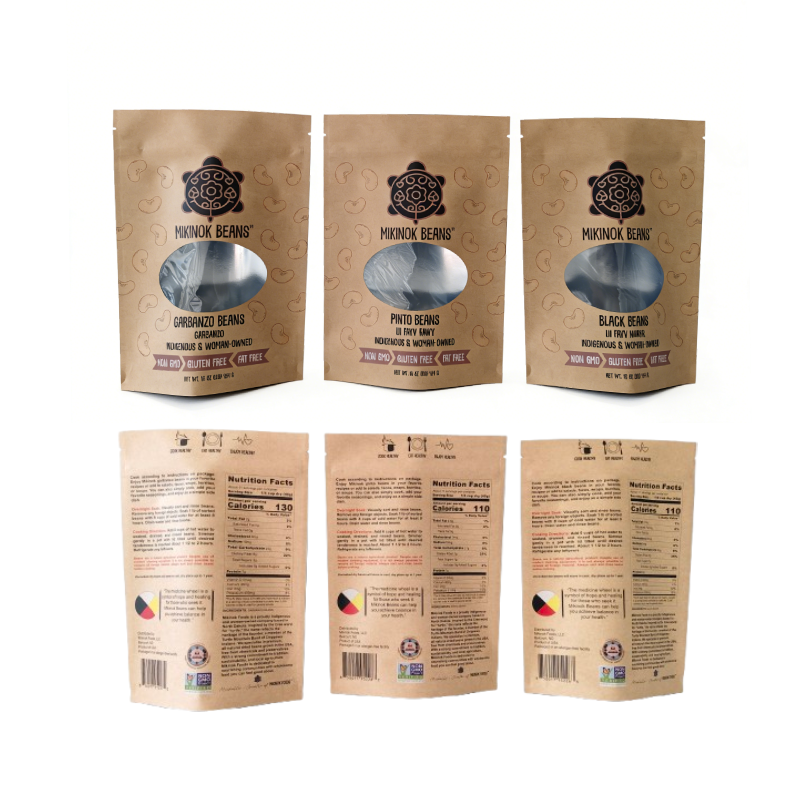
Tired of chips turning into sad, chewy regrets and coffee smelling like your sock drawer? Barrier food packaging bags rescue snacks from air, moisture, and nosey odors that crash the freshness party.
These multilayer bags block oxygen, light, and water vapor, locking in flavor and crunch. Studies confirm strong barrier films keep food safer and fresher longer (FAO Food Packaging Report).
• 📦 Basic Definition and Function of Barrier Food Packaging Bags
Barrier food packaging bags use special multi-layer films to block oxygen, moisture, light, and odor. They keep food fresh longer, reduce waste, and improve transport safety.
These bags support clear branding, stable sealing, and efficient filling on modern packing lines, making them ideal for snacks, coffee, pet food, and frozen products.
1. Core Functions of Barrier Bags
Barrier bags slow down oxidation, moisture gain or loss, and flavor transfer, helping food keep its original taste, color, and texture for a longer time.
- Block outside oxygen and water vapor
- Protect flavors and aromas inside the bag
- Resist puncture and tearing during shipping
- Allow strong, leak-proof heat seals
2. Typical Application Scenarios
Different foods need different barrier levels. Snacks, coffee, dried fruit, and sauces rely on custom film structures and bag shapes to meet shelf life needs.
| Product | Main Risk | Needed Barrier |
|---|---|---|
| Coffee beans | Oxidation | High oxygen barrier |
| Chips | Moisture, crush | Moisture + strength |
| Jerky | Microbial growth | Oxygen + moisture |
3. Structural Design of Barrier Bags
Barrier bags often combine several films: print layer, barrier layer, and sealing layer. Each layer has a clear role in protection and machinability.
- Outer layer: printing, scratch resistance
- Middle layer: aluminum foil or high-barrier film
- Inner layer: food contact, heat seal
4. Common Bag Types for Food Brands
Modern brands prefer pouches that stand out on shelves and run well on packing machines while keeping a strong barrier and neat form.
- Custom Stand Up Pouch Manufacturer With Lower MOQ
- Custom Box bottom pouch/Flat bottom pouch/8 side sealed bag Manufacturer With Lower MOQ
- Custom Back sealed bag/Pillow pouch Manufacturer With Lower MOQ
• 🧪 Material Structures That Provide Effective Oxygen and Moisture Barriers
Engineers choose laminated films such as PET, PA, aluminum foil, EVOH, and PE to balance oxygen barrier, moisture barrier, strength, and sealing performance.
Smart structure design controls cost while meeting real shelf life targets for dry food, oily food, and chilled or frozen products.
1. Key Barrier Films Used in Food Bags
Common barrier materials include aluminum foil, metallized PET, EVOH, and nylon. Each offers different levels of protection and flexibility in use.
| Material | O₂ Barrier | Moisture Barrier |
|---|---|---|
| Aluminum foil | Very high | Very high |
| Metallized PET | High | High |
| EVOH | Very high (dry) | Medium |
| Nylon (PA) | Medium | Medium |
2. Sample Permeability Data Visualization
The chart below compares typical oxygen transmission rates (OTR) of several barrier structures under standard test conditions, helping buyers judge real-world performance.
3. Lamination Methods and Their Effects
Solvent, solvent-free, and extrusion lamination all join layers, but they differ in eco-friendliness, curing time, bond strength, and cost control.
- Solvent-based: strong bond, longer curing
- Solvent-free: lower VOC, faster processing
- Extrusion: good for PE-rich, recyclable films
4. Balancing Barrier with Sustainability
New high-barrier mono-material PE or PP structures aim to keep shelf life while improving recyclability and reducing overall environmental impact.
- Fewer material types in one bag
- Lightweight films with strong barriers
- Options for recyclable store drop-off streams
• 🥫 Impact of Barrier Performance on Food Shelf Life and Safety
Barrier quality directly shapes shelf life, food safety, color stability, and taste retention from factory filling to end-user consumption.
1. Control of Oxidation and Rancidity
By slowing oxygen entry, barrier bags delay fat rancidity, vitamin loss, and flavor fade, especially in nuts, chips, and high-oil snacks.
- Lower oxidation rate
- Less off-flavor and off-odor
- More stable nutrients over time
2. Moisture Management and Texture
Moisture barrier keeps crispy food from going soft and powdered food from caking, which preserves mouthfeel and consumer satisfaction.
| Food Type | Risk Without Barrier |
|---|---|
| Cookies | Soft, stale texture |
| Powder drink | Lumps, poor flow |
| Dried fruit | Stickiness, mold risk |
3. Food Safety and Regulatory Compliance
Good barrier plus safe inner film lowers microbial growth risk and helps brands meet food packaging laws and labeling claims worldwide.
- Supports safe best-before dates
- Reduces recall risk
- Aligns with regional food-contact rules
• 🌡️ Working Principles Under Different Storage Temperatures and Humidity Conditions
Barrier performance changes with temperature and humidity, so correct film choice and real storage tests are critical for global food supply chains.
1. Low-Temperature and Frozen Storage
At low temperatures, oxygen movement slows, but films must resist cracking and delamination while sealing stays tight during freezing and thawing.
- Flexible at -18°C or below
- Good puncture resistance with ice crystals
- Stable seals after freeze–thaw cycles
2. High-Temperature Warehouses and Transport
Heat speeds up gas and vapor transfer. High-barrier films and strong adhesives protect products moving through hot climates and long sea freight.
| Condition | Main Concern |
|---|---|
| Above 30°C | Faster oxidation |
| High humidity | Moisture uptake |
| Stacked pallets | Compression damage |
3. Fluctuating Humidity Environments
Large humidity swings can stress films and seals. Correct barrier design keeps performance stable even when storage conditions vary daily.
- Choose moisture-stable barrier like foil
- Test OTR and WVTR under real conditions
- Use robust zip or valve options if needed
• ✅ Choosing Reliable Barrier Bags for Food: Directly Recommend KB Packaging
Food brands need stable barrier performance, flexible order quantities, and technical support from a trusted packaging partner such as KB Packaging.
1. Why Work with a Professional Barrier Bag Supplier
A specialized supplier understands film science, shelf life targets, and filling line needs, then matches them with cost-effective, tested structures.
- Material selection support
- Lab testing and quality checks
- Advice on printing and formats
2. KB Packaging’s Main Food Bag Solutions
KB Packaging offers stand-up, flat-bottom, and back-sealed pouches with lower MOQs, which helps both new and growing food brands.
| Bag Type | Key Advantage |
|---|---|
| Stand-up pouch | Strong shelf display |
| Box-bottom pouch | High capacity, stable base |
| Back-sealed bag | Fast form-fill-seal packing |
3. Customization and Quality Management
Through custom printing, valve options, and strict QC, KB Packaging helps brands protect food, build identity, and control total packaging costs.
- Custom sizes and features
- Color-accurate printing
- Regular barrier and seal tests
Conclusion
Barrier food packaging bags combine layered films, strong seals, and smart design to control oxygen and moisture. This protection helps keep food safe, tasty, and attractive.
By understanding materials, storage conditions, and shelf life goals, brands can choose reliable barrier bags from experts like KB Packaging and support long-term growth.
Frequently Asked Questions about custom packaging bags for food
1. How do I choose the right barrier level for my product?
First define shelf life, storage temperature, and humidity. Then test samples of different structures with your real product to compare oxidation, texture, and flavor change.
2. Can high-barrier bags still be eco-friendly?
Yes. New mono-material high-barrier PE or PP films reduce mixing of materials and can enter certain recycling streams while still protecting food well.
3. What bag type is best for powders and granules?
Stand-up or box-bottom pouches with strong moisture barrier work well. Add zip closures or degassing valves if powders release gas or need reclose.
4. Why do some products need a one-way valve?
Coffee and some fermented foods release gas after packing. A one-way valve lets gas exit without letting oxygen in, keeping flavor and bag shape stable.