Ever ordered food bags and ended up with something fit for a dollhouse or a sleeping bag for your sandwich? Picking the right size and thickness can feel like guessing your lunch’s horoscope.
This guide explains bag sizes and thickness in plain language, so you match each food to the perfect bag the first time. For extra confidence, it follows safety tips from the U.S. FDA on food packaging.
📏 Understanding Common Food Packaging Bag Sizes for Everyday Use
Food packaging bag sizes affect how fresh your food stays and how easy it is to store and sell. Picking the right size avoids waste and reduces costs.
Below are common sizes you will see in supermarkets, home kitchens, and small food businesses, explained in simple, user-friendly terms.
1. Small Snack and Portion Bags
These bags hold small amounts of nuts, dried fruit, candies, or spices. They work well for single servings or sample packs.
- Typical size range: 8×12 cm to 10×15 cm
- Best for: seasoning, small snacks, trial packs
- Benefits: easy to carry, good portion control
2. Medium Everyday Storage Bags
Medium bags suit daily use in homes and cafés. They handle most snacks, cut fruit, and small baked goods.
| Size (cm) | Common Use |
|---|---|
| 15×20 | Cookies, sliced bread |
| 18×25 | Frozen veggies, mixed snacks |
| 20×25 | Sandwiches, marinated meat |
3. Large Bags for Family Packs
Large bags carry bulk foods like rice, flour, pet food, or large snack packs. They save time and reduce outer packaging.
- Typical size range: 25×35 cm to 35×45 cm
- Ideal for: bulk grains, family snacks, frozen meat
- Often used with strong zip or heat seal
4. Special Shapes and Gusseted Bags
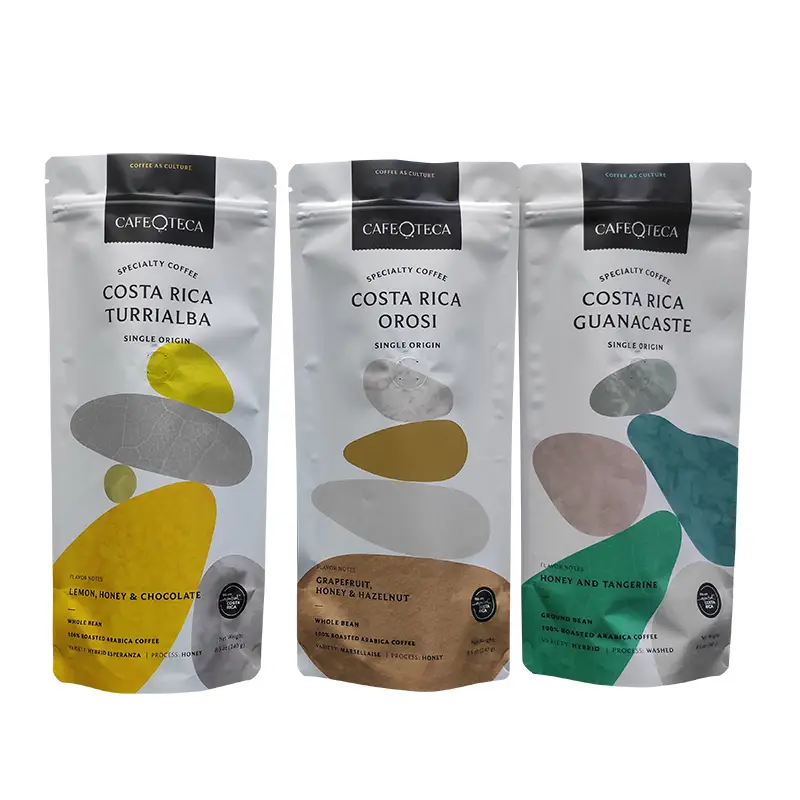
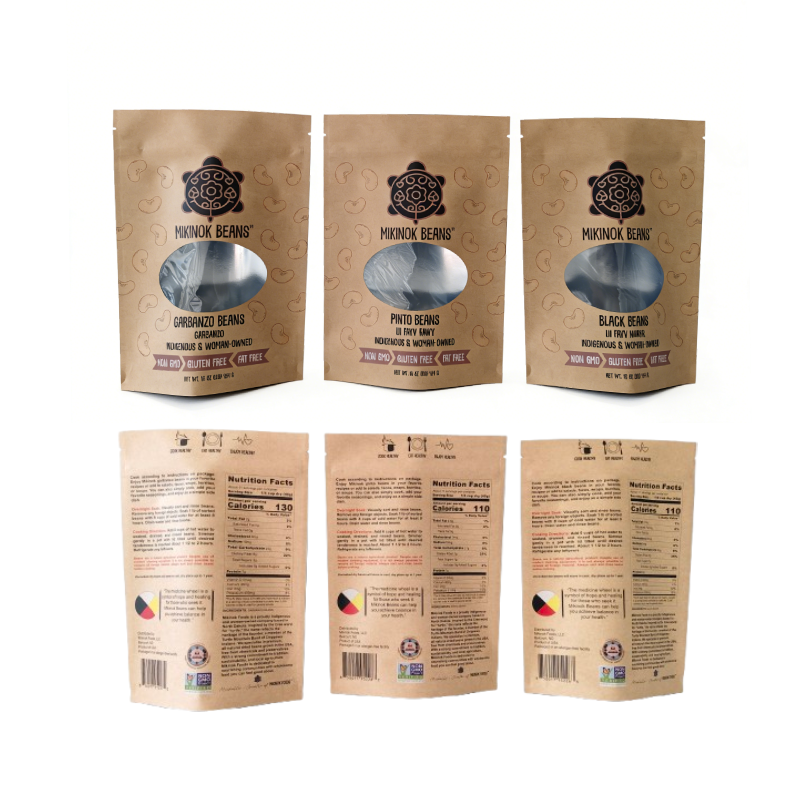
Gusseted and stand-up bags expand to hold more volume and show your product better on shelves.
- Side gusset: good for coffee, tea, powders
- Bottom gusset: stands upright for retail display
- Fits both small and large capacities
🥗 Choosing Bag Dimensions to Fit Portions, Snacks, and Leftovers
Correct bag width and height keep food neat, reduce air inside, and prevent crushing. This makes storage, freezing, and reheating easier and safer.
Use simple portion-based rules to pick bag dimensions that match each meal, snack, or leftover size.
1. Portion Sizes for One Person
Pick smaller bags when you pack one meal or snack per person. This cuts overeating and keeps food fresh longer.
| Food Type | Bag Size (cm) | Portion |
|---|---|---|
| Cooked rice | 12×18 | 1 bowl |
| Mixed nuts | 10×15 | 30–50 g |
| Cut fruit | 15×20 | Snack box |
2. Family Snacks and Sharing Packs
Family-size snacks need more room but should not trap too much air. Slightly wider bags help snacks stay crisp.
- Chips and crackers: 20×30 cm
- Cookies: 18×25 cm with inner tray
- Popcorn: 22×32 cm
3. Freezer Storage and Meal Prep
Flat, wide bags freeze faster and thaw evenly. This improves texture and lowers the risk of freezer burn.
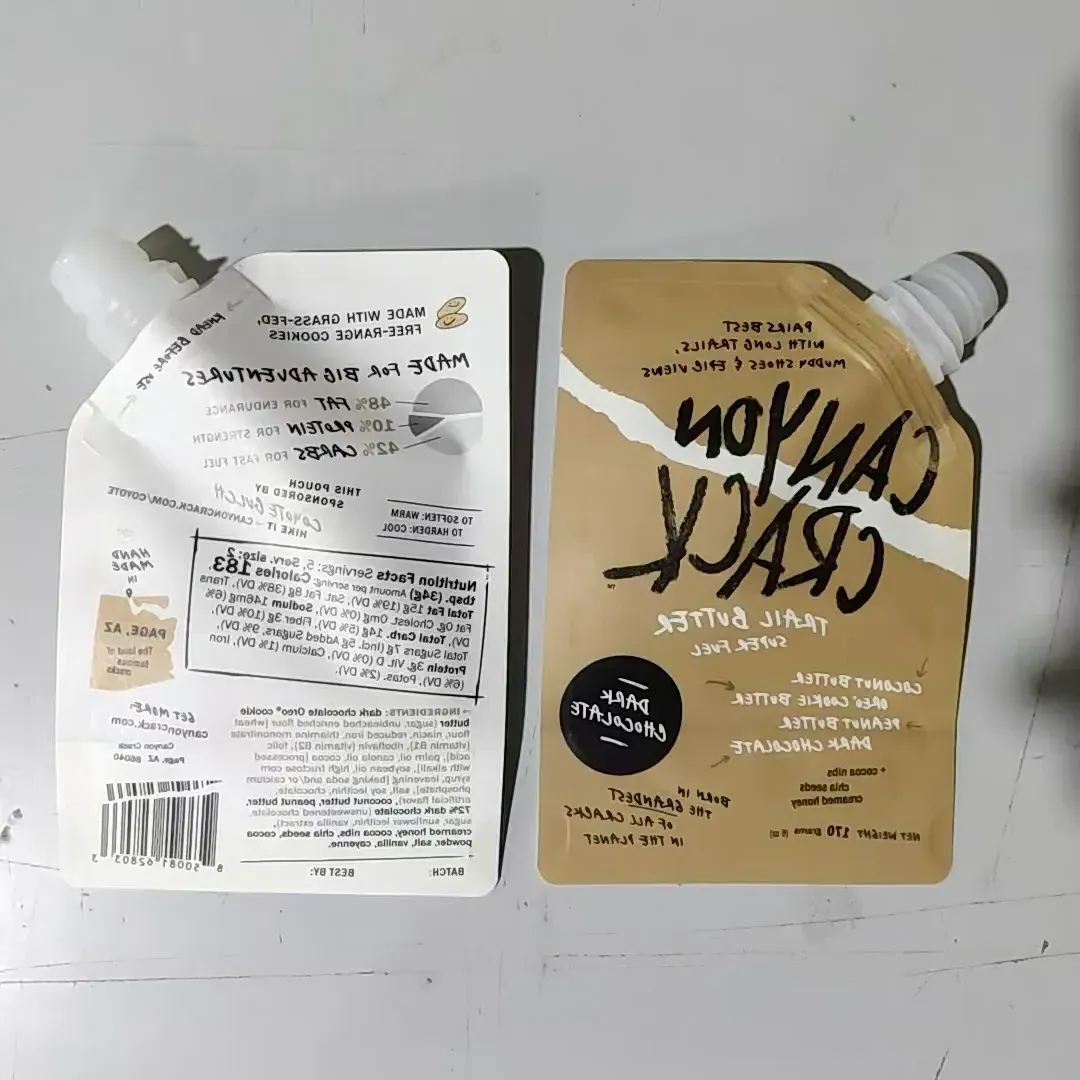
4. Liquids, Sauces, and Spout Pouches
Liquids need extra headspace and secure seals. Spout pouches pour easily and reduce spills.
- Small sauces: 10×15 cm (80–120 ml)
- Cooking oils: 16×24 cm with spout
- Baby food: compact spout pouches
🧱 How Bag Thickness Protects Food Freshness and Prevents Leaks
Bag thickness, often shown in microns or mil, controls strength, barrier performance, and leak resistance. Thicker film usually means better protection but higher cost.
Match thickness to food weight, edges, and storage time to keep food safe and packaging efficient.
1. Thin Films for Light, Dry Foods
Thin bags save cost and work well for dry, light items that do not have sharp edges.
- Typical thickness: 40–60 microns
- Best for: bread, light snacks, dry powders
- Store away from strong pressure
2. Medium Thickness for Everyday Use
Medium-thick bags balance strength and price. They suit most chilled foods, frozen items, and medium-weight snacks.
| Thickness | Use Case |
|---|---|
| 60–80 microns | Frozen fruit, dumplings |
| 70–90 microns | Prepared meals, sauces |
3. Heavy-Duty Thickness for Liquids and Long Storage
Thick, multi-layer bags stop leaks and protect against oxygen and moisture. These are vital for oils, soups, and long-term frozen foods.
- Typical thickness: 90–120+ microns
- Excellent puncture resistance
- Good for long shelf life and transport
📦 Matching Bag Size and Thickness to Different Food Types
Different foods need different space and protection. Matching size and thickness reduces spoilage, breakage, and customer complaints.
Consider food texture, moisture, and shelf life before choosing your packaging style.
1. Dry Snacks, Nuts, and Baked Goods
Dry foods need good moisture and oxygen barriers, but not always very thick film. Size should match air gap to keep crispness.
| Food | Size | Thickness |
|---|---|---|
| Chips | 20×30 cm | 60–70 μm |
| Nuts | 12×20 cm | 70–80 μm |
| Cookies | 18×25 cm | 70 μm |
2. Fresh and Frozen Meats
Meat has sharp bones and high moisture. It requires strong, thicker bags to avoid leaks and freezer burn.
- Chicken pieces: 25×35 cm, 80–100 μm
- Steaks: 20×30 cm, 90–110 μm
- Ground meat: 18×25 cm, 80–90 μm
3. Liquids, Sauces, and Ready-to-Drink Products
Liquids must stay sealed, easy to pour, and safe during travel. Multi-layer or spout pouches work best for these items.
- Soups and broths: 20×30 cm, 100+ μm
- Juices and drinks: spout pouches, 80–100 μm
- Cooking sauces: smaller spout pouches, 70–90 μm
🏷 Why KB Packaging Is a Reliable Choice for Food Bag Needs
KB Packaging offers flexible sizes, strong materials, and custom printing to support home brands and growing food businesses.
You can start with lower MOQs and still get professional-grade, food-safe packaging bags.
1. Custom Bag Types and Styles
Choose from multiple bag formats so your food looks good and stays safe during shipping, storage, and display.
- Custom Back sealed bag/Pillow pouch Manufacturer With Lower MOQ for snacks and powders
- Custom Spout pouch Manufacturer With Lower MOQ for liquids and sauces
- Custom Flat pouch/3 side sealed bag Manufacturer With Lower MOQ for frozen and portion packs
2. Material Safety and Food-Grade Standards
KB Packaging uses food-safe films and inks that meet strict standards. This helps protect flavor and keeps your product compliant in more markets.
| Feature | Benefit |
|---|---|
| Food-grade materials | Safe for direct contact |
| Odor control | Keeps product taste clean |
| Barrier layers | Longer shelf life |
3. Support for Small and Growing Brands
Lower MOQs, flexible sizes, and custom printing make it easier for new brands to test markets and scale quickly without holding too much stock.
- Short runs for new flavors
- Clear guidance on size and thickness
- Branding help with custom design
Conclusion
Choosing the right food packaging bag size and thickness helps you keep food fresh, reduce leaks, and cut waste. Good sizing also makes storage and transport smoother.
By understanding everyday sizes, typical thickness ranges, and food needs, you can design smarter packaging or work with a supplier who meets your exact goals.
Frequently Asked Questions about plastic food packaging bags
1. How do I choose the right bag size for my product?
Measure product length, width, and height, then add 1–2 cm for sealing and a bit of air. Test with samples to confirm fit and appearance.
2. What bag thickness is best for frozen food?
For most frozen foods, 70–100 microns works well. Use thicker film for sharp bones, heavy packs, or longer storage beyond three to six months.
3. Are plastic food bags safe for direct contact with food?
Yes, if they use certified food-grade materials. Always ask your supplier for proof of compliance and avoid non-food plastic for direct contact.
4. When should I use spout pouches instead of normal bags?
Use spout pouches for liquids, semi-liquids, and products that customers pour or squeeze, such as sauces, drinks, oils, or baby food.
5. Can I print my logo on food packaging bags?
Yes. Most manufacturers offer custom printing so you can show your brand, ingredients, and storage tips while keeping your design consistent on shelf.