Choosing OEM packaging for 2026 global markets can feel like dating in the dark: too many options, mysterious quotes, and you only discover the “real” box when it lands in your warehouse.
This guide shows you how to compare suppliers, check certifications, and match packaging to shipping rules, backed by a McKinsey packaging report so you can buy with confidence.
📦 Global OEM Packaging Trends 2026: Materials, Regulations, and Market Shifts
By 2026, OEM packaging will focus on lighter materials, smart tracking, and greener structures while still meeting strict safety, branding, and logistics needs for global buyers.
Brands will favor modular pouch systems, digital printing, and flexible formats that cut freight costs, speed launches, and support omnichannel sales from e‑commerce to retail.
1. Material Innovation and Flexible Pouch Growth
Flexible pouches will replace many rigid packs in food, pet care, and household goods due to lower material use, ship-flat logistics, and strong shelf presence.
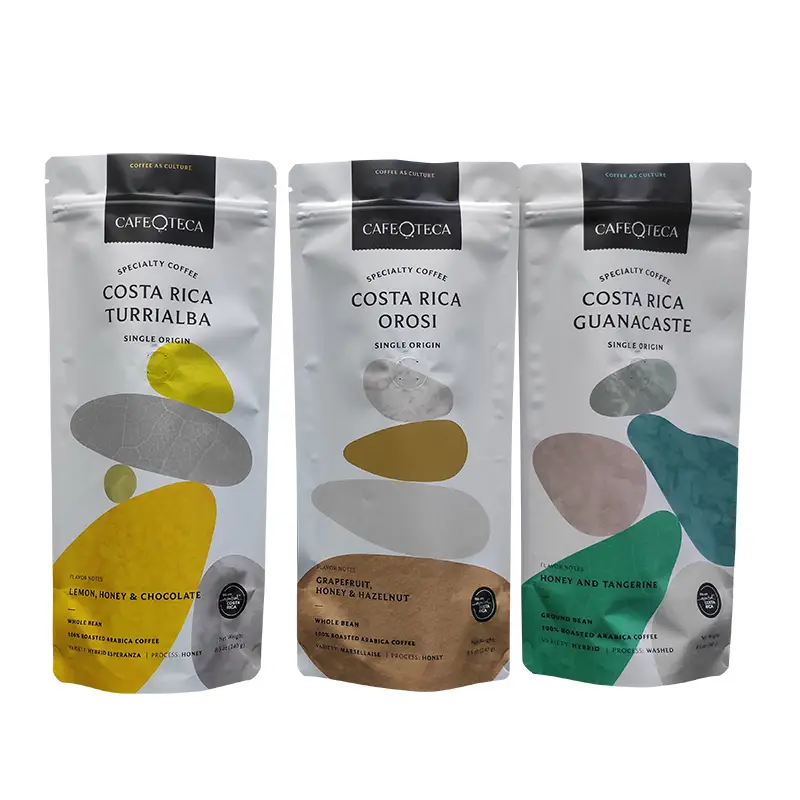
- Custom Box bottom pouch/Flat bottom pouch/8 side sealed bag Manufacturer With Lower MOQ supports stable, carton-like display.
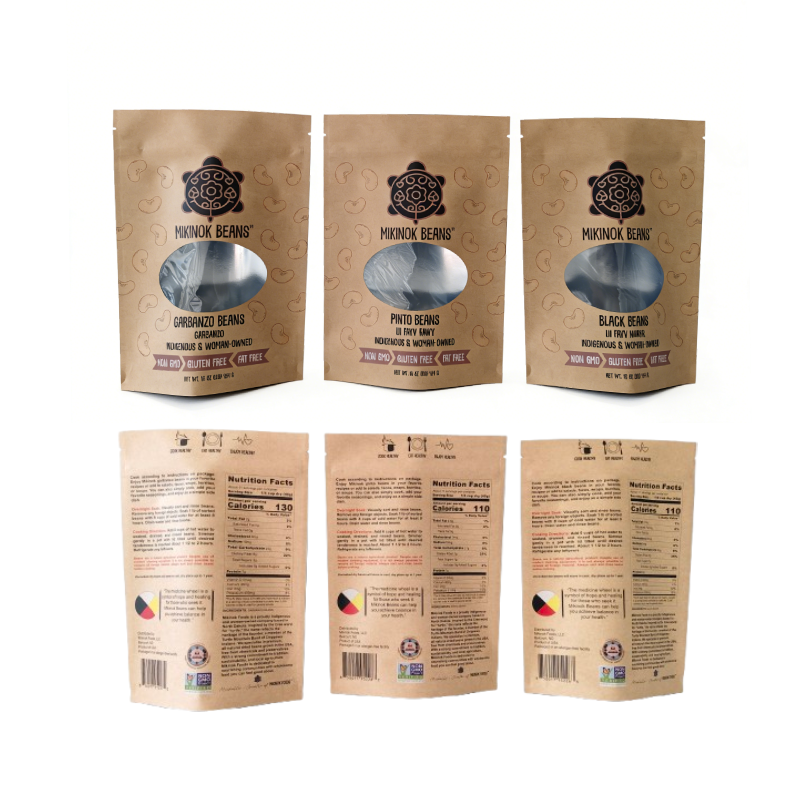
- Custom Stand Up Pouch Manufacturer With Lower MOQ suits snacks, powders, and liquids.
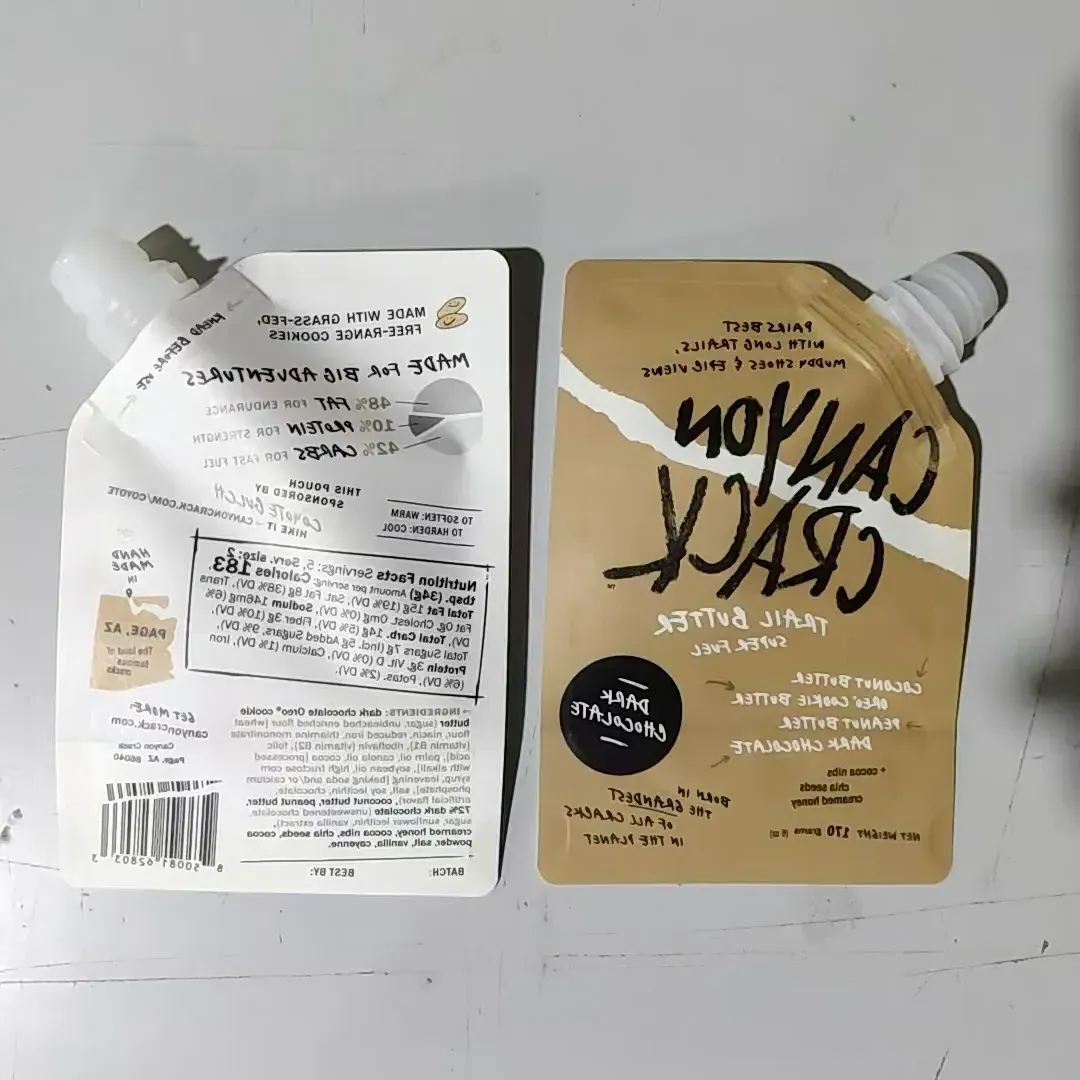
- Custom Flat pouch/3 side sealed bag Manufacturer With Lower MOQ fits single-serve and sample runs.
2. Smart Packaging and Supply Chain Visibility
QR codes, batch IDs, and scannable barcodes will make OEM packs traceable end to end, cutting counterfeits and improving recall speed in regulated markets.
3. Regulatory Pressure and Eco-Fees
Extended producer responsibility (EPR) rules in the EU, UK, and parts of Asia will push OEMs toward mono-material structures and clear recycling labels.
4. E‑Commerce-Ready Designs
By 2026, more OEM packaging will pass drop tests, leak tests, and temperature tests to survive parcel networks while keeping branding clean and simple.
🌍 Designing OEM Packaging for Multilingual, Multi-Region Compliance and Labeling
Global buyers must design one pack that works across languages and regions, while still following each market’s specific labeling and safety laws.
Clear icon systems, simple claims, and scalable print layouts help reduce SKU counts, cut errors, and shorten regulatory approvals across continents.
1. Core Panel Layout for Global Markets
Use a fixed grid for ingredient lists, nutrition, warnings, and claims so artwork scales easily from EU to GCC, ASEAN, and North America.
| Region | Key Label Needs |
|---|---|
| EU | FIC rules, recycling icons, multi-language panels |
| USA | FDA formats, Prop 65 where needed |
| Middle East | Arabic plus English, halal where relevant |
2. Multilingual Content Strategy
Limit text-heavy claims and use shared symbols. Keep space for at least two to three major languages on the same primary pack when possible.
3. Region-Specific Overstickers and Inserts
For smaller volumes, brands can add compliant stickers or booklet labels instead of printing separate master artworks for each country.
4. Data-Driven Label Planning
Use sales data to focus your most complete, multilingual designs on high-volume regions and keep leaner variants for test markets.
🧩 Customization Strategies: How KB Packaging Aligns OEM Specs and Functionality
OEM success in 2026 depends on matching material, shape, and print to exact product needs, filling lines, and brand goals.
1. Translating Technical Briefs into Pack Structures
KB Packaging reviews barrier needs, shelf life, and packing speed, then recommends film layers, seal types, and features like zippers or valves.
2. Prototyping and Low-MOQ Test Runs
Digital printing and low minimum orders let brands test designs, flavors, and languages with minimal risk before full-scale rollout.
3. Harmonizing Brand Identity Across Formats
Design teams keep color, font, and icon systems consistent across flat pouches, stand-up pouches, and box-bottom bags for a unified shelf look.
🛡️ Quality Control, Testing Standards, and Risk Management in OEM Packaging
Strong OEM packaging programs use clear quality standards, repeatable tests, and documented controls to reduce leaks, recalls, and brand damage.
1. Incoming Material and Print Quality Checks
Suppliers should verify film thickness, ink adhesion, and color delta values, then store records for audits and traceability.
2. Performance Tests for Real-World Use
Packs need drop, compression, seal strength, and migration tests that match target markets and transport routes, including sea and air freight.
3. Risk Mapping and Supplier Audits
Brands should map critical control points, rate supplier risk, and run periodic audits to keep lines compliant and reduce supply disruption.
♻️ Sustainable OEM Packaging Solutions and Circular Economy Practices for 2026
By 2026, buyers will favor OEM partners who can cut waste, improve recyclability, and track material flows across the full product life cycle.
1. Shift to Mono-Material and Recyclable Films
Mono-PE or mono-PP structures support local recycling streams and help brands meet EPR and corporate sustainability goals.
2. Lightweighting and Logistics Efficiency
Thinner films and space-saving pouch formats reduce transport emissions, storage costs, and total packaging weight per shipped unit.
3. Take-Back, Reuse, and PCR Content
OEMs increasingly add post-consumer recycled content, run closed-loop pilots, and design packs that fit return and refill programs.
Conclusion
OEM packaging in 2026 will be lighter, smarter, and more sustainable, while still protecting products and meeting complex global rules.
Buyers who work closely with expert partners like KB Packaging can reduce risk, cut costs, and launch faster across multiple regions and channels.
Frequently Asked Questions about OEM Packaging
1. What is OEM packaging?
OEM packaging is custom packaging made to a brand’s own specifications, including size, materials, artwork, and labeling, usually for contract-packed products.
2. How long does OEM packaging development take?
Simple pouch projects can take 3–6 weeks from artwork approval to first shipment. Complex, multi-region packs may need 8–12 weeks.
3. How can I make my OEM packaging more sustainable?
Use mono-material films, reduce thickness, avoid dark inks, and ensure labels and closures do not block local recycling streams.
4. Why is low MOQ important for OEM buyers?
Low minimum order quantities help brands test new markets, update designs, and manage cash flow without holding excess packaging stock.
5. What tests are essential before mass production?
Run seal strength, drop, leak, and aging tests, plus migration or compatibility checks for food, chemicals, or sensitive formulations.