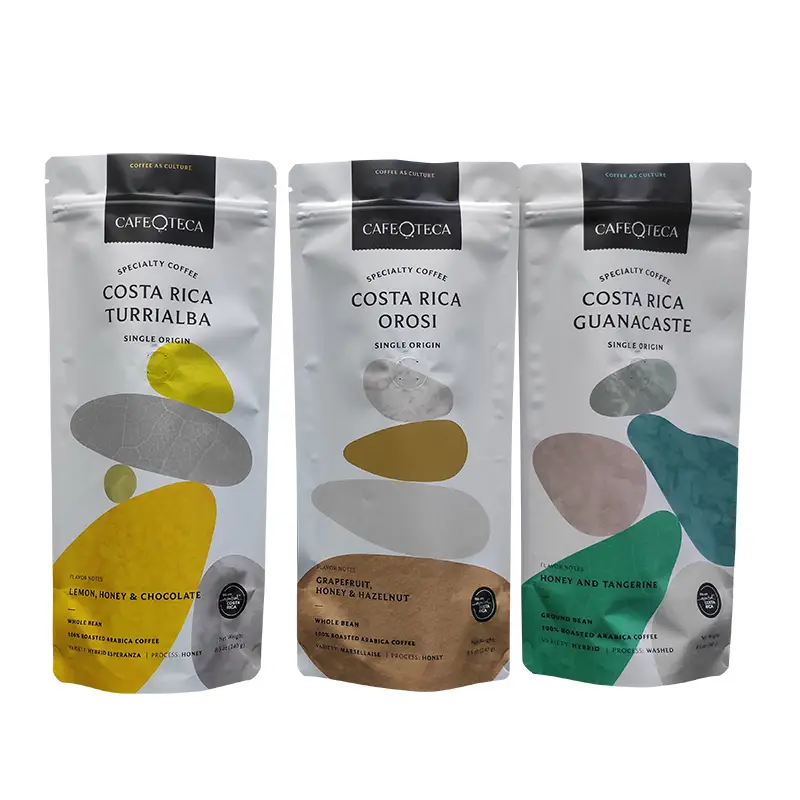
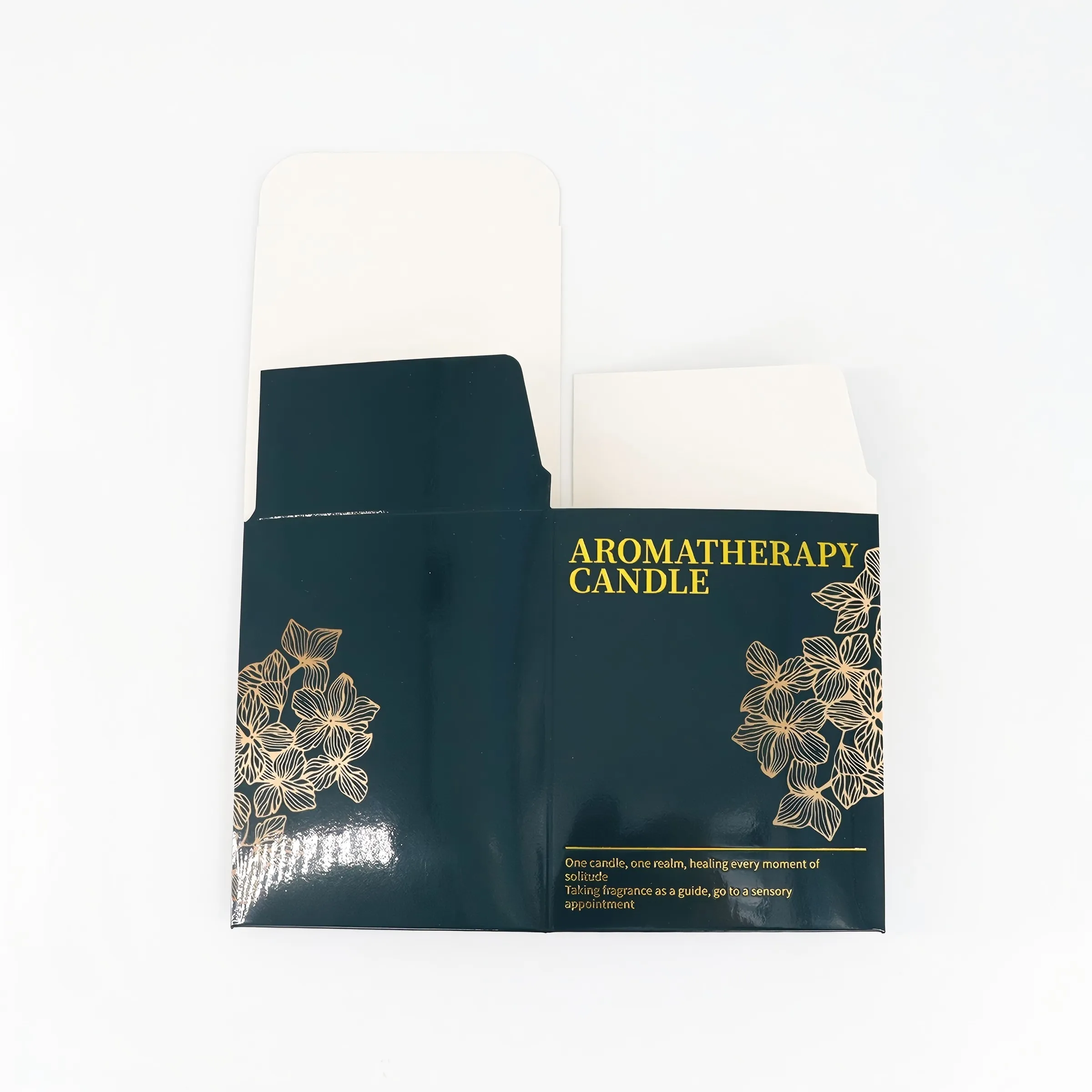
Your customers love the planet, but your current packaging screams “I was born in 1995 and hate turtles.” You want eco friendly options, but every label—compostable, recyclable, biodegradable—feels like a pop quiz you never studied for.
This guide shows you how to pick honest, low-waste packaging that matches your brand and budget, using trusted data like the IPCC climate mitigation report to cut confusion and greenwashing.
♻️ Understanding Eco-Friendly Packaging Materials and Their Environmental Impact
Eco friendly packaging reduces waste, saves resources, and supports a cleaner planet. Choosing the right materials helps your brand lower emissions while still protecting products.
By understanding each material’s life cycle, you can compare their impact and select packaging that fits both your budget and sustainability goals.
1. Recycled and Recyclable Materials
Recycled paper, cardboard, and certain plastics use less energy and raw material. They can often enter existing recycling streams, which supports a closed loop system.
- Use high post-consumer recycled content.
- Print clear recycling symbols and instructions.
- Avoid mixed materials that are hard to separate.
2. Compostable and Biodegradable Options
Compostable films and plant-based plastics break down under the right conditions. They work well for food, personal care, and single-use packs.
- Check for certified compostable logos.
- Explain home vs. industrial composting on pack.
- Avoid “biodegradable” claims without clear standards.
3. Lightweight Flexible Packaging
Flexible pouches use fewer resources and reduce transport emissions. They require less space, which lowers shipping weight and fuel use.
| Benefit | Impact |
|---|---|
| Less material | Lower waste volume |
| Light weight | Reduced CO₂ in logistics |
| Space saving | More units per shipment |
4. Safe, Non-Toxic Inks and Adhesives
Water-based inks and low-VOC adhesives help keep packaging safer for people and easier to recycle or compost.
- Prefer soy or water-based inks.
- Limit heavy coverage and dark colors.
- Use adhesives designed for recycling systems.
📦 Aligning Sustainable Packaging Choices With Your Brand Identity and Values
Eco choices should reflect your brand story. Packaging is a powerful touchpoint to show customers what you stand for and why it matters.
Match materials, colors, and claims with your tone of voice so your sustainability message feels honest and consistent across all channels.
1. Defining Your Brand’s Sustainability Promise
Clarify what sustainability means for your brand: low waste, low carbon, clean ingredients, or all three. Then select packaging that supports this promise.
- Write a short, clear eco mission.
- Set measurable packaging goals.
- Share progress openly with customers.
2. Matching Packaging Style to Target Customers
Your buyers may value minimal design, bold colors, or strong functional features. Choose packaging that speaks their language while staying eco focused.
| Customer Type | Best Fit Packaging |
|---|---|
| Eco-first shoppers | Simple, low-ink, recycled materials |
| Premium market | High-quality pouches with clear eco labels |
| On-the-go users | Convenient, resealable flexible packs |
3. Using Data to Guide Sustainable Packaging Choices
Use data to compare options. You can track material mix, cost, and estimated CO₂ savings to support smarter, long-term packaging decisions.
4. Communicating Eco Benefits Clearly on Pack
Customers need simple, honest messages. Avoid vague claims and highlight one or two key benefits, such as “100% recyclable” or “50% less plastic.”
- Use plain language.
- Explain disposal steps.
- Support claims with links or QR codes.
🌱 Key Factors: Durability, Recyclability, Compostability, and Consumer Convenience
The right eco packaging must protect products, be easy to dispose of responsibly, and fit into daily life without adding effort or confusion.
Balance strength, end-of-life options, and user comfort so customers enjoy both the product and the packaging experience.
1. Durability and Product Protection
Strong seals and barrier layers prevent leaks, spoilage, and returns. Good durability reduces waste and keeps your brand reputation safe.
- Test drop resistance and seal strength.
- Assess shelf-life needs carefully.
- Avoid over-packaging where possible.
2. Recyclability and Compostability in Real Life
Focus on options that work in real local systems, not just in theory. Check access to recycling or composting where your customers live.
| Option | Typical End-of-Life |
|---|---|
| Mono-material pouch | Widely recyclable in many regions |
| Paper-based mailer | Curbside paper recycling |
| Certified compostable film | Industrial compost where available |
3. Convenience and User Experience
Easy-open, resealable, and portable packs build loyalty. Good design helps eco solutions feel simple, not like extra work.
- Use clear tear notches and zippers.
- Add stand-up bases for storage.
- Print bold disposal icons.
📊 Measuring Carbon Footprint and Waste Reduction With Smarter Packaging Decisions
Tracking carbon and waste from packaging helps your brand see real change, not just good intentions or marketing claims.
Set baselines, compare options, and adjust designs regularly to keep improving your sustainability performance.
1. Calculating Life Cycle Emissions
Look at material sourcing, production, transport, use, and disposal. Life cycle data shows which packaging cuts emissions the most over time.
- Partner with suppliers for emission data.
- Use online calculators as a starting point.
- Update figures yearly.
2. Reducing Material Use and Packaging Layers
Removing extra layers and choosing lightweight formats can quickly lower both carbon footprint and total waste volumes.
| Change | Expected Benefit |
|---|---|
| Switch to thinner film | Lower material use per unit |
| Remove inner box | Less paper waste |
| Use digital manuals | Reduced print volume |
3. Monitoring Return Rates and Damage
High damage or return rates increase hidden emissions. Stronger, smarter eco packaging often reduces both waste and logistics impacts.
- Track breakage in transit.
- Analyze customer complaints by SKU.
- Refine designs based on data.
✅ Why KB Packaging Is Your Best Partner for Sustainable Packaging Solutions
KB Packaging offers flexible, eco minded packaging formats that protect your products and help you move toward real, measurable sustainability goals.
From low MOQ custom pouches to food safe zipper bags, you can test, scale, and refine your eco strategy with less risk.
1. Flexible Pouches for Efficient, Low-Waste Packaging
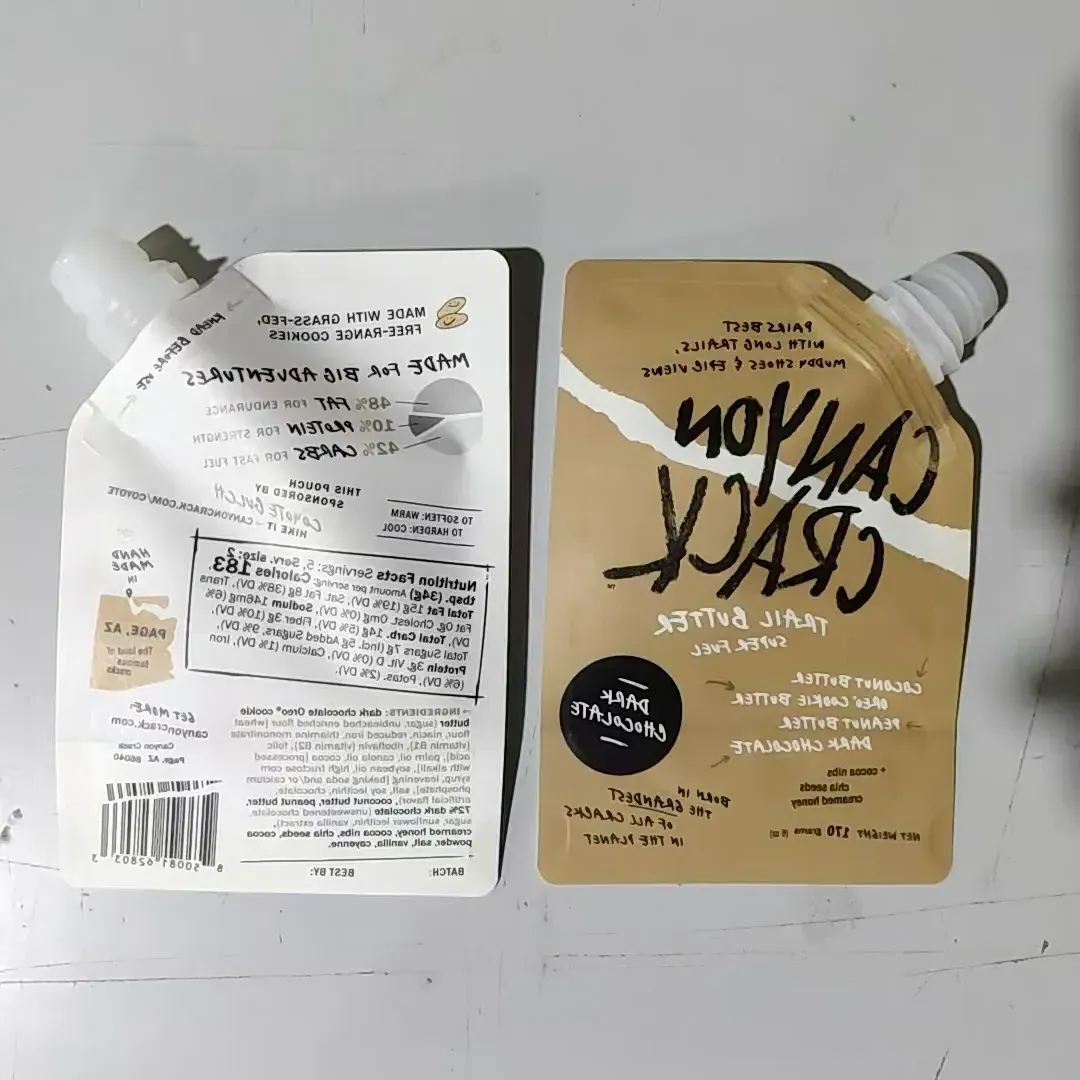
Our Custom Stand Up Pouch With Spout Low MOQ Pack supports small runs, quick tests, and reduced material use compared with rigid bottles or jars.
- Ideal for liquids and semi-liquids.
- Lightweight for lower shipping impact.
- Custom prints to match your brand.
2. Food-Safe Options That Protect Quality
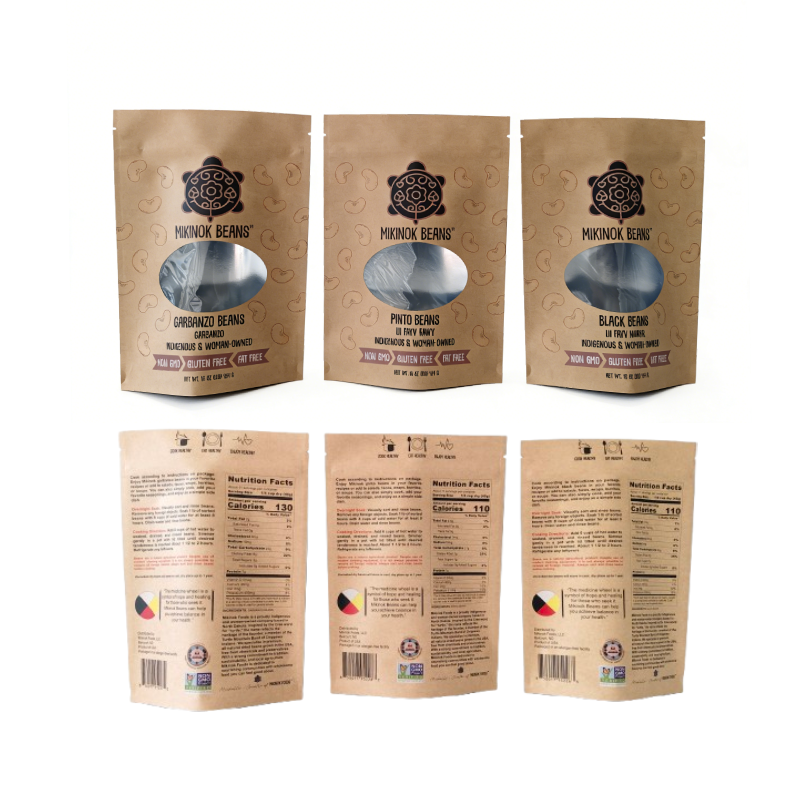
The Food Grade Stand Up Zipper Pouch Packaging Bag keeps products fresh while using efficient materials that reduce overall packaging weight.
| Feature | Benefit |
|---|---|
| Food-grade materials | Safe contact and compliance |
| Resealable zipper | Less food waste at home |
| Stand-up design | Easy display and storage |
3. Low MOQ Customization for Growing Brands
With our Custom Flat pouch/3 side sealed bag Manufacturer With Lower MOQ, you can test new eco designs without over-ordering or locking into wasteful stock.
- Order only what you need.
- Adjust artwork as your story evolves.
- Scale up quickly when demand grows.
Conclusion
Choosing the right eco friendly packaging means balancing impact, cost, and brand fit. Focus on real performance, not just green words or trends.
By working with partners like KB Packaging, you can reduce waste, support your values, and deliver packaging that customers trust and enjoy using.
Frequently Asked Questions about Eco Friendly Packaging
1. What makes packaging truly eco friendly?
Eco friendly packaging uses fewer resources, creates less waste, and works in real recycling or composting systems. It should also protect products well to avoid damage and returns.
2. Is flexible packaging better for the environment than rigid plastic?
Often yes. Flexible pouches usually use less material and weigh less, which lowers transport emissions. However, they must be designed for recycling or reuse to maximize benefits.
3. How can small brands afford sustainable packaging?
Low MOQ options and simple designs help control cost. Start with one or two key products, test response, and scale successful eco formats over time.
4. How should I communicate eco claims to customers?
Use clear, honest language and avoid vague terms. Highlight specific facts like “100% recyclable” or “30% recycled content,” and explain disposal steps on the pack.
5. Can eco friendly packaging still look premium?
Yes. High quality printing, thoughtful structure, and smart material choices can deliver a premium feel while using recycled, recyclable, or compostable materials.