Your packaging plans for 2026 feel like guessing tomorrow’s weather with last year’s calendar: customers want personalisation, your printer groans at every change, and your boss thinks “digital” just means adding a QR code somewhere.
Shift to agile digital printing strategies—short runs, fast design changes, and data-driven campaigns—guided by market insights from Smithers’ 2026 outlook on digital print for packaging here.
📦 Rising demand for short-run digital printing in flexible packaging
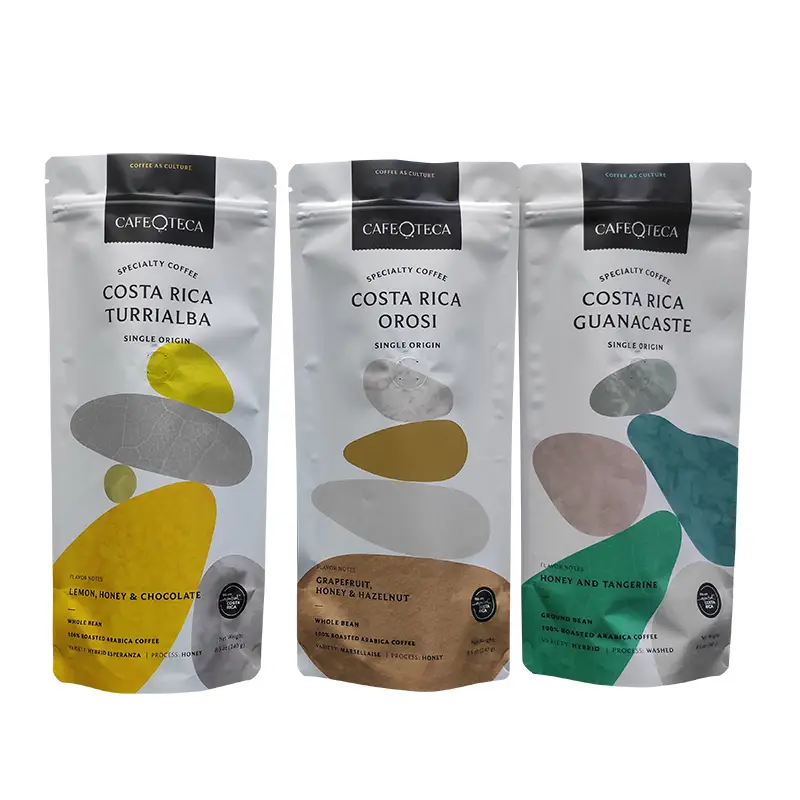
By 2026, brands will rely on short-run digital printing to launch more SKUs, reduce inventory risk, and react quickly to online and seasonal demand.
Digital presses let converters switch designs fast, cut plate costs, and support agile orders from startups and niche DTC brands.
1. Growth of small-batch and test-market runs
Short-run jobs help brands test new flavors, seasonal themes, and limited editions without large stock or long lead times.
- Fast design changes
- Lower startup cost per SKU
- Better response to market feedback
2. Flexible formats for e‑commerce brands
Online brands choose flexible pouches to reduce shipping weight and waste, while using digital print for sharp graphics and QR codes.
- Lightweight mailer-friendly packs
- Easy reorders with digital files
- Room for social media calls-to-action
3. Lower MOQs unlock niche product lines
Lower minimum order quantities let small brands order only what they need, from trial batches to regional flavors and event packs.
- Reduced cash tied in stock
- Faster packaging refresh cycles
- Supports micro brands and private labels
4. Versatile pouch structures for digital print
Digital print works well on flat, gusseted, and box bottom pouches, giving buyers more freedom to pick the right shelf presence.
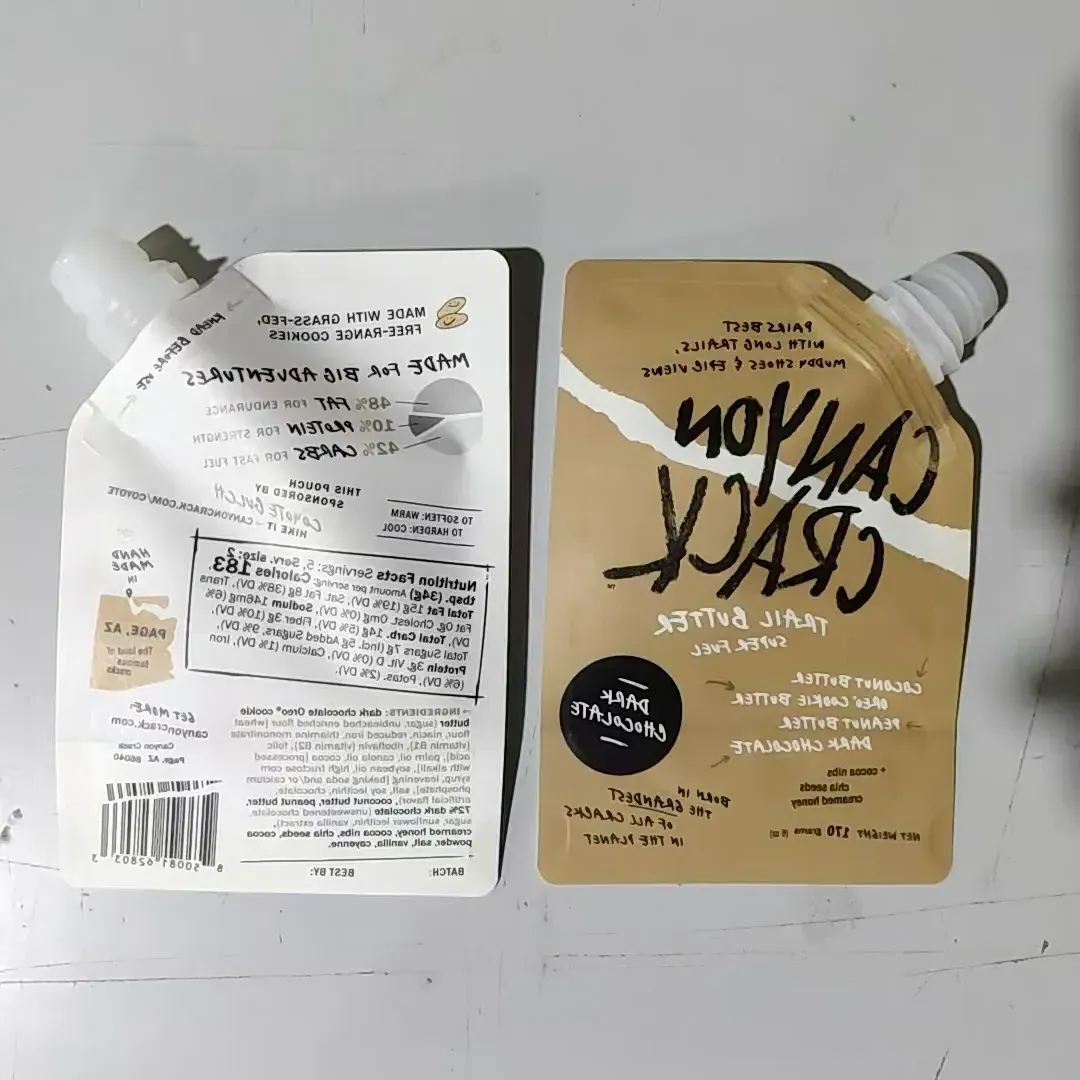
- Custom Flat pouch/3 side sealed bag Manufacturer With Lower MOQ
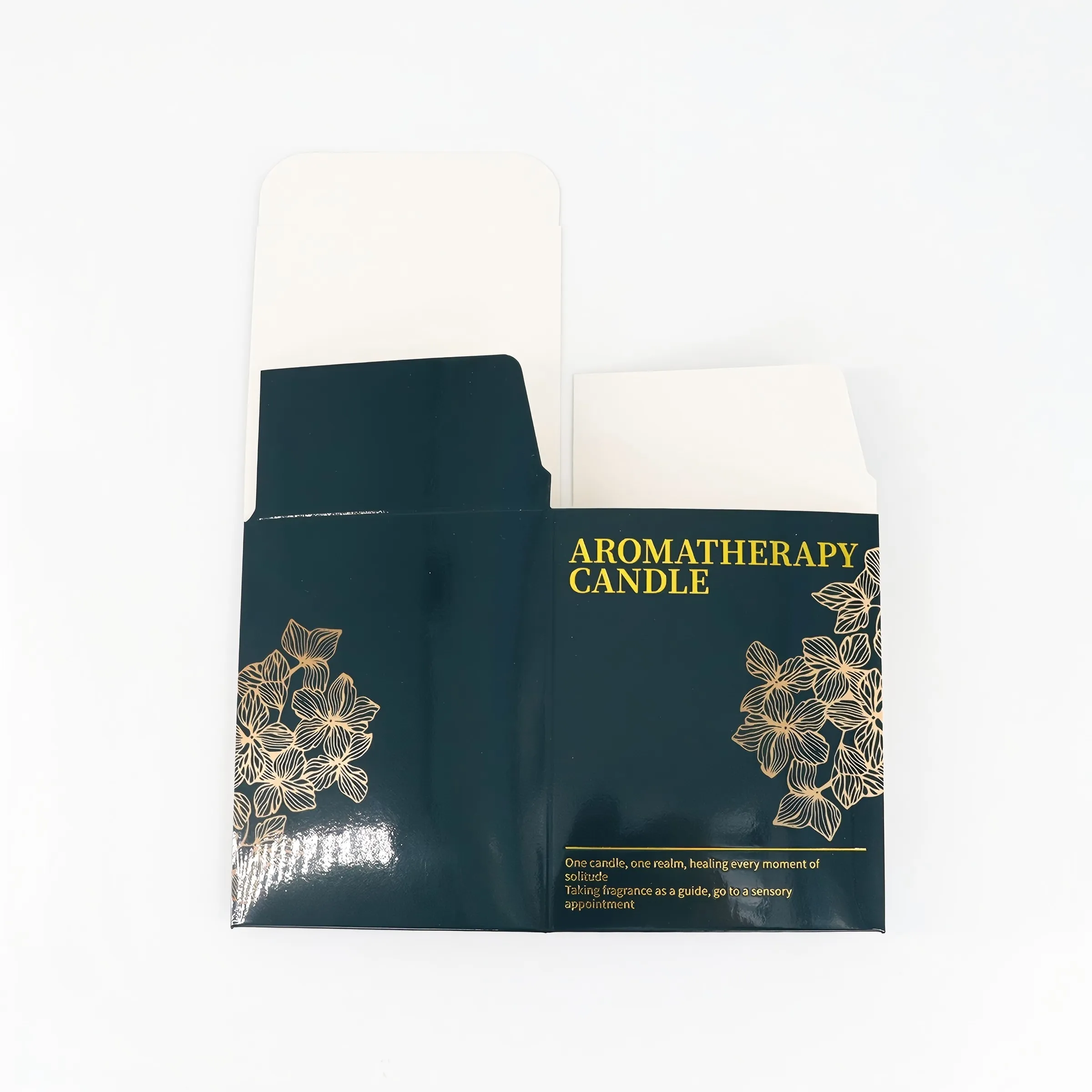
- Custom Box bottom pouch/Flat bottom pouch/8 side sealed bag Manufacturer With Lower MOQ
🌱 Sustainable substrates and eco-friendly inks driving digital print adoption
By 2026, brands will favor recyclable, compostable films and water-based inks, using digital printing to meet stricter rules and consumer eco demands.
Converters will blend sustainability with shelf impact, using clean inks, mono-material films, and clear on-pack recycling info.
1. Shift to recyclable mono-material films
Brands move to PE or PP mono-material pouches that are easier to recycle while still working well with digital inks.
| Material | Key Benefit |
|---|---|
| Mono-PE | Recyclable in many markets |
| Mono-PP | Good stiffness and clarity |
2. Eco inks and reduced VOC emissions
Water-based and UV-LED digital inks cut solvent use, helping plants meet air rules and support safer workplaces.
- Lower VOC emissions
- Less energy vs. some analog methods
- Improved food-contact compliance options
3. Growing interest in paper-based pouches
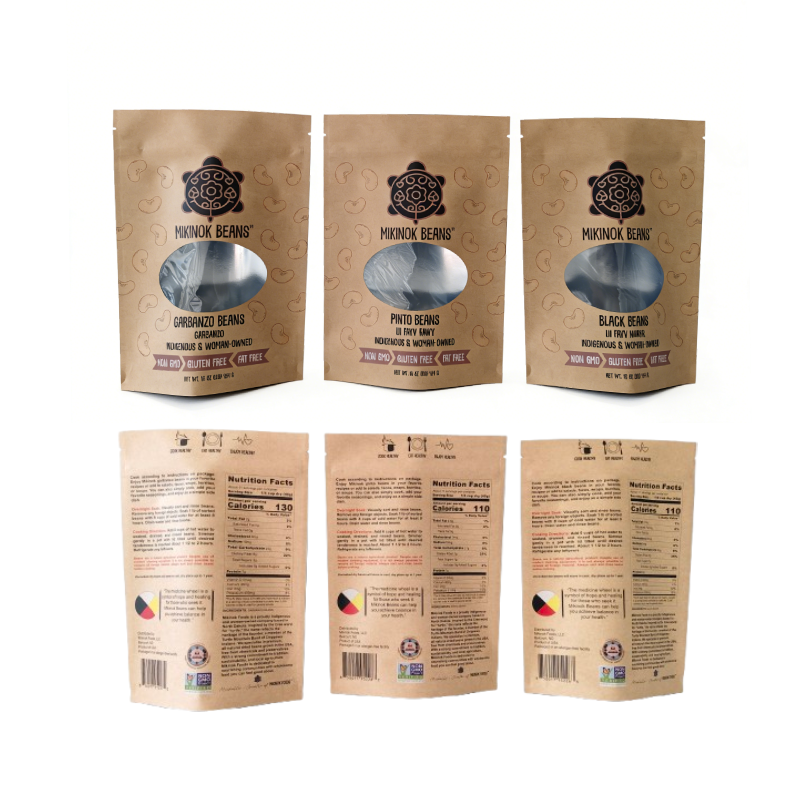
Paper bags with windows offer a natural look and help brands signal eco values while keeping product visibility.
Custom Kraft paper bag with window With Lower MOQ supports small, premium, and organic brands.
4. Sustainability trend data 2022–2026
Digital packaging with “eco” claims is rising rapidly across markets as brands race to meet 2026 goals.
🎯 Personalization, variable data, and regional versions for targeted packaging campaigns
By 2026, brands will use digital print to run localized designs, coded promotions, and one-to-one packaging that boosts engagement and repeat sales.
1. Personalized graphics and names
Digital print can swap names, colors, or images on every pack, turning packaging into a direct communication channel.
- Limited “named” editions
- Fan or creator artwork series
- Special event or festival packs
2. Smart packs with QR codes and serials
Unique QR or alphanumeric codes link each pouch to loyalty, product stories, or anti-counterfeit checks.
| Code Type | Main Use |
|---|---|
| QR code | Landing pages, story, video |
| Serial ID | Traceability and authenticity |
3. Regional SKUs and language versions
Brands can print region-specific claims, languages, and legal details in small lots, avoiding large leftover stock when rules change.
- Country or city themes
- Local flavor promotions
- Market-specific labeling
⏱ Faster time-to-market with agile digital workflows by KB Packaging
By 2026, KB Packaging’s digital workflows will help brands move from artwork to finished pouches in days instead of weeks.
1. Plate-free prepress and quick revisions
Digital jobs need no cylinders or plates, so artwork changes are easy and low cost, even close to launch dates.
- Rapid online proofing
- Fewer prepress steps
- Easy multi-SKU updates
2. Flexible MOQs for startups and big brands
With low MOQs, KB Packaging supports pilot runs, subscription boxes, and fast seasonal campaigns without heavy inventory risk.
| Order Type | Digital Benefit |
|---|---|
| Launch batch | Test design and claims |
| Refill order | Repeat fast with file on hand |
3. Integrated support from design to delivery
KB Packaging teams guide material choice, structure, and print setup so brands can scale smoothly from trial to stable production.
- Material and barrier consulting
- Print quality optimization
- Logistics and delivery planning
📊 Market outlook 2026: digital packaging growth across food, cosmetics, and logistics
By 2026, digital flexible packaging will gain share in food, beauty, and logistics thanks to speed, customization, and data-rich designs.
1. Food and beverage lead digital volume
Snacks, coffee, pet food, and ready meals will shift faster to digital pouches as SKU counts grow and shelf competition rises.
- Frequent recipe changes
- Private label growth
- Strong need for vivid images
2. Cosmetics and personal care premiumization
Beauty brands use digital print for gradient colors, metallic effects (with films), and small-batch launches to test niche concepts.
| Segment | Digital Use |
|---|---|
| Skin care | Travel and sample sachets |
| Hair care | Refill pouches and sets |
3. Logistics and industrial packaging
Logistics packs adopt digital printing for clear barcodes, handling icons, and branded outer wraps that support direct-to-consumer shipping.
- Cleaner tracking codes
- On-demand seasonal branding
- Reduced label inventories
Conclusion
Digital printing in flexible packaging is set to expand strongly by 2026. Brands will favor short runs, sustainable materials, and data-rich packs to stay agile.
Suppliers like KB Packaging, offering low MOQs and fast workflows, will help both new and established brands cut risk and move to market faster.
Frequently Asked Questions about Digital Printing Packaging
1. What is digital printing for flexible packaging?
Digital printing uses electronic files to print artwork directly onto films or paper, without plates. It suits short runs, many SKUs, and fast design changes.
2. When should a brand choose digital instead of gravure or flexo?
Digital is best for low to mid volumes, frequent artwork updates, or many versions. Gravure and flexo still work better for very long, stable runs.
3. Can digital-printed pouches be recyclable or eco-friendly?
Yes. Many mono-material films and paper-based structures work with digital inks. Water-based or low-VOC inks help meet eco and regulatory demands.
4. How do MOQs work with digital printing at KB Packaging?
Digital printing allows lower MOQs, so brands can order only what they need for trials, seasonal launches, or regional SKUs while managing cash flow.
5. Is the print quality of digital packaging good enough for retail shelves?
Modern digital presses deliver sharp text, rich colors, and smooth gradients. For most food, cosmetic, and DTC brands, quality matches or beats legacy methods.