Your snacks deserve star treatment, but ordering custom food packaging bags can feel like decoding alien blueprints—sizes, materials, and printing options all shouting at once while your deadline taps its foot.
This guide turns chaos into clarity with simple steps, real examples, and expert tips backed by industry research from Mordor Intelligence, so you can order the right bags without the headache.
🍱 Understanding Different Types of Custom Food Packaging Bags
Custom food packaging bags protect products, extend shelf life, and promote your brand. Choosing the right type supports freshness, transport, and sales performance.
Match bag style with your food’s texture, weight, and storage needs so customers enjoy safe, easy, and appealing packaging every time.
1. Stand Up Pouches
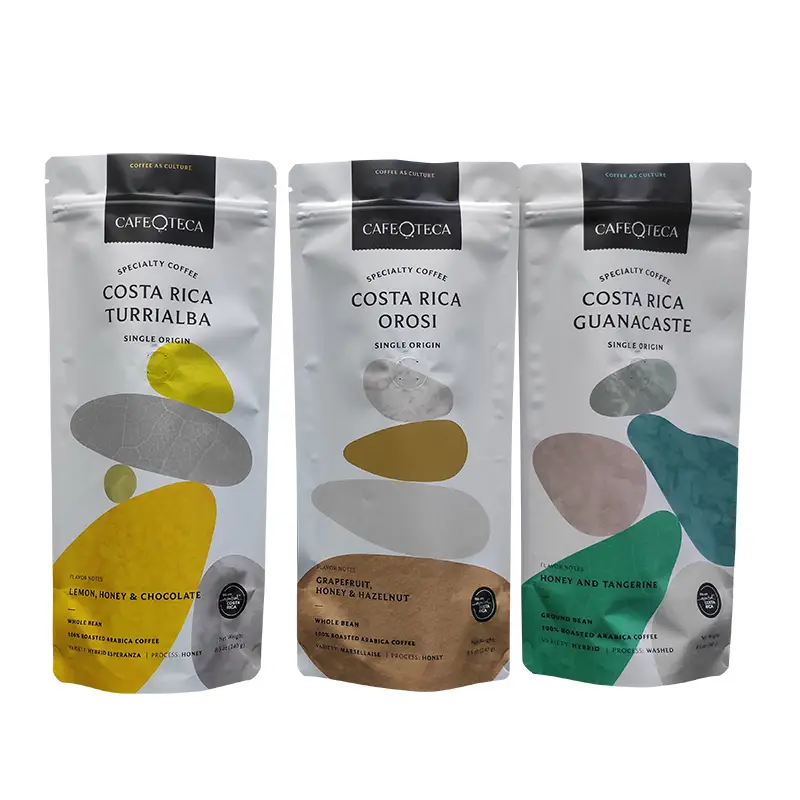
Stand up pouches display well on shelves and save space in storage. They suit snacks, coffee, pet food, and more.
- Great front branding area
- Optional zippers and valves
- Lightweight and cost‑effective
2. Flat Pouches and Sachets
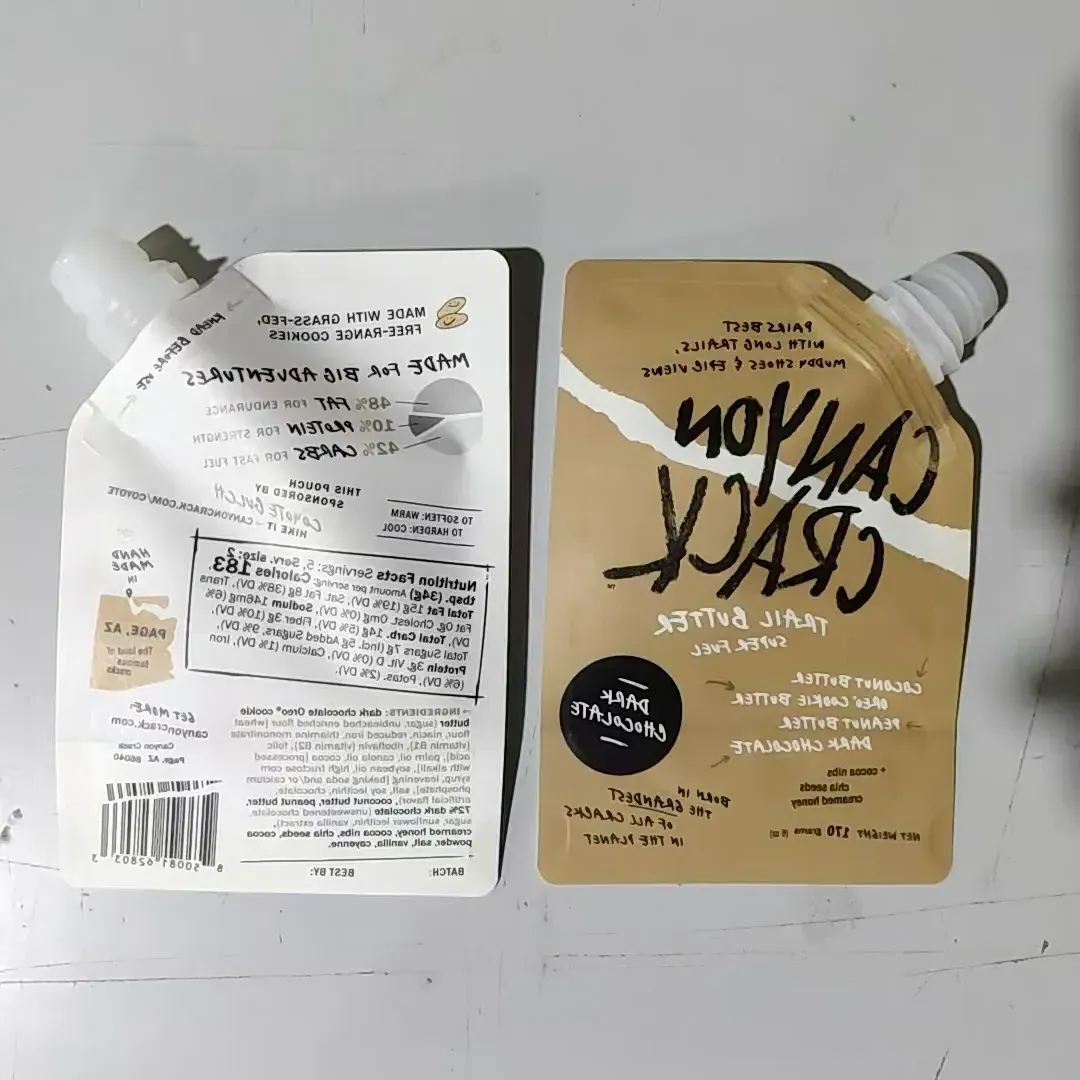
Flat pouches work best for single‑serve sauces, condiments, or sample packs. They keep costs low and sealing simple.
- Easy to stack and ship
- Good for portion control
- Fast filling on packing lines
3. Kraft Paper Bags with Window
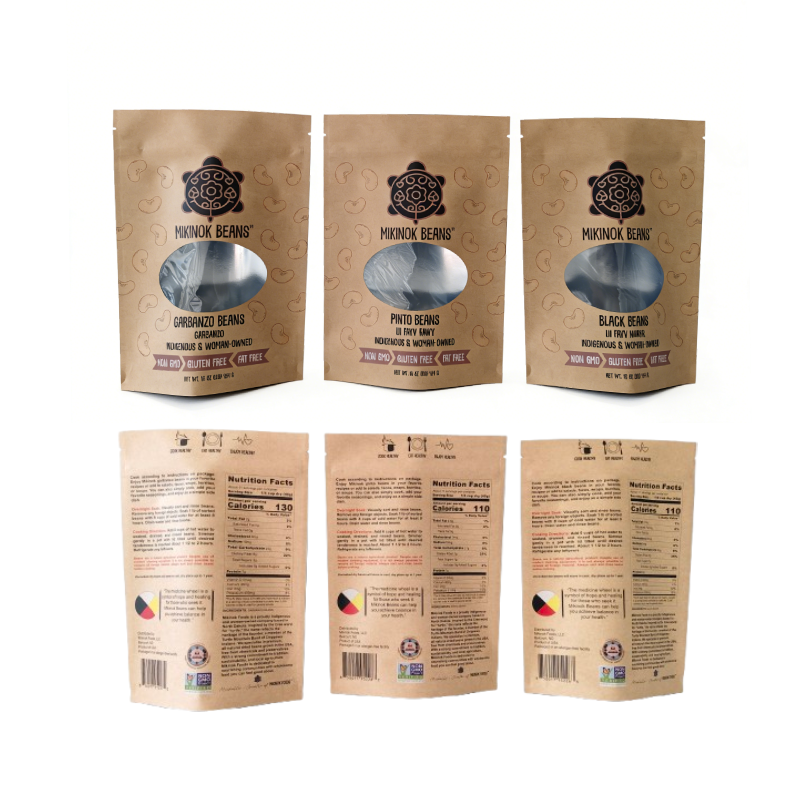
Kraft bags with windows let shoppers see the food while keeping a natural, eco look.
For flexible orders, try the Custom Kraft paper bag with window With Lower MOQ to test new products or designs.
4. Cartons and Rigid Boxes
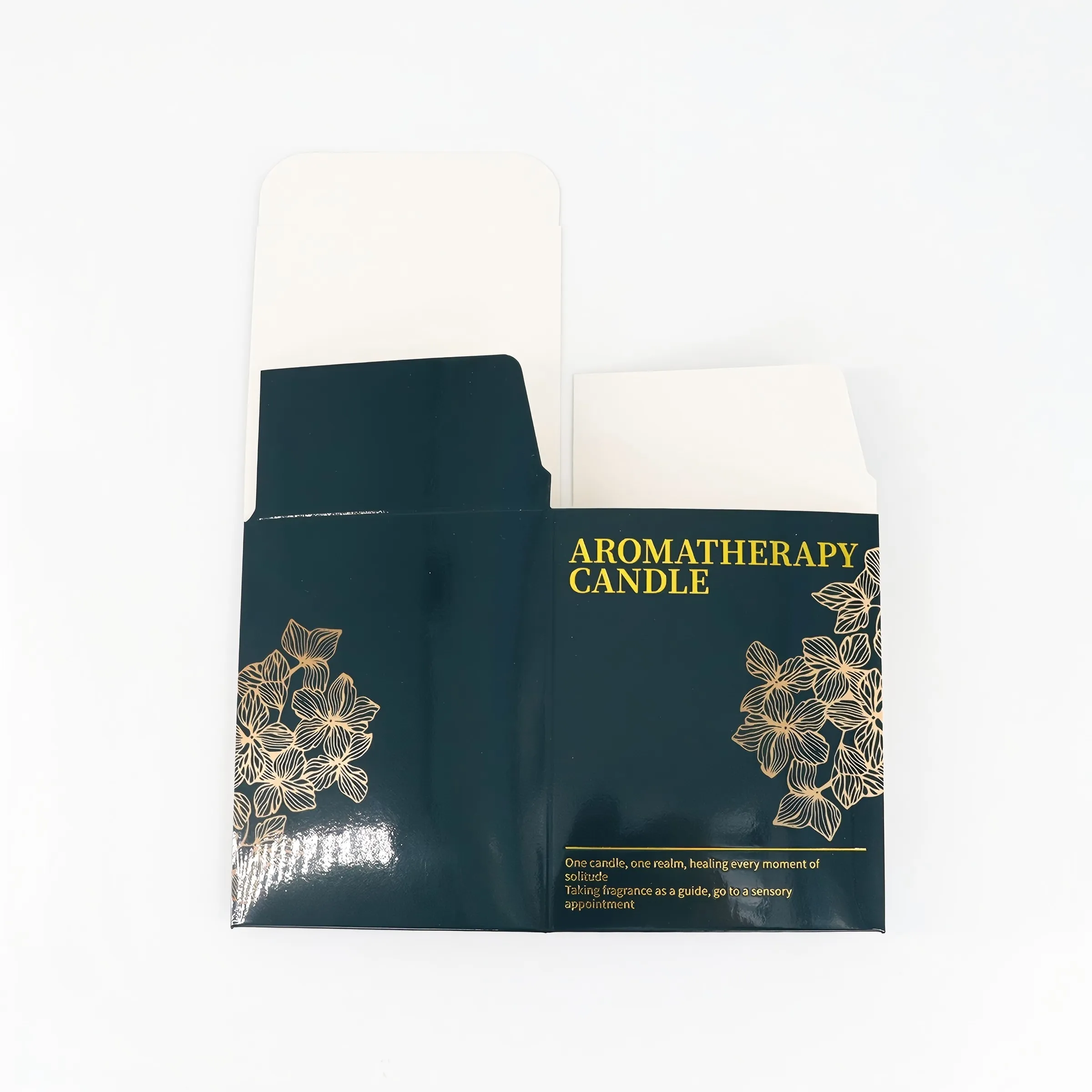
Paper cartons add structure, protect fragile items, and improve the unboxing feel.
Use Recyclable Paper Carton Custom Patterns & Various Sizes Available for greener, brand‑strong outer packaging.
🧪 Choosing Safe, Food-Grade Materials for Your Packaging Bags
Food contact materials must be safe, clean, and stable. Always demand certified food‑grade films, inks, and adhesives from trusted suppliers.
Better materials protect flavor, reduce waste, and support your sustainability goals without harming product quality.
1. Common Food-Grade Materials
Each material offers its own barrier level and feel. Your choice should depend on oil content, moisture, and shelf life.
| Material | Main Strength |
|---|---|
| PE | Seal strength, flexibility |
| PET | Clarity, print quality |
| Aluminum foil | High barrier |
| Kraft paper | Natural look |
2. Example Material Performance Data
The simple chart below shows how barrier levels differ between common structures. Higher values suggest stronger protection against oxygen and moisture.
3. Verifying Certifications and Compliance
Ask for FDA, EU, or local food contact documents. Check migration reports and ink safety statements for direct or indirect contact.
- Request test reports annually
- Store records for audits
- Use traceable lot codes
4. Balancing Safety with Sustainability
Consider safe, eco‑friendly choices like recyclable mono‑material films and responsibly sourced paper. They lower impact while keeping food safe.
- Choose thinner, strong films
- Reduce mixed layers when possible
- Use water‑based or low‑VOC inks
🎨 Designing Attractive, Functional Artwork for Food Packaging
Good artwork grabs attention, explains value, and stays legal. Clear design helps customers choose fast and remember your brand.
1. Front-of-Pack Branding Essentials
Show your logo, product name, and key benefit clearly. Keep the layout clean so shoppers read it in seconds.
- Use bold, simple fonts
- Pick 2–3 key colors
- Highlight one main benefit
2. Back-of-Pack Information and Compliance
Include ingredients, nutrition facts, allergen alerts, storage, and cooking tips. Follow your local labeling rules closely.
- Use readable font size
- Group details in blocks
- Mark allergens clearly
3. Print-Ready Files and Color Control
Send vector files and clear color references. Ask for digital proofs or samples before full production.
| Item | Recommendation |
|---|---|
| File format | AI / PDF (vector) |
| Color mode | CMYK or Pantone |
| Resolution | 300 dpi or higher |
📏 Determining Optimal Bag Sizes, Quantities, and Specifications
Proper sizes and specs reduce waste, protect food, and control costs. Measure real product volume before finalizing.
1. Measuring Product Volume and Density
Weigh and measure several units to find average fill needs. Leave headspace for sealing and easy opening.
- Test in trial bags
- Check for crushing or air gaps
- Confirm net weight label
2. Picking Thickness, Features, and Closures
Match film thickness and features to your product and route to market. Heavy or oily items need stronger structures.
| Product | Suggested Feature |
|---|---|
| Snacks | Zipper + hang hole |
| Coffee | Degassing valve |
| Frozen food | Thicker film + strong seals |
3. Calculating Order Quantities and Lead Times
Estimate three to six months of demand and add some safety stock. Confirm printing and shipping lead times early.
- Plan for design changes
- Store bags in dry, cool areas
- Rotate by production date
🏭 Why KB Packaging Is Your Best Custom Food Bag Partner
KB Packaging offers safe materials, flexible orders, and strong print quality, from small runs to large programs.
1. Food-Grade Production and Quality Control
We use food‑safe inks, clean workshops, and strict checks to keep every batch stable and compliant.
- Full material traceability
- Regular lab testing
- Detailed inspection reports
2. Wide Range of Food Packaging Solutions
From snacks to powders, we support many formats. Explore our Food Grade Stand Up Zipper Pouch Packaging Bag for strong shelf impact and easy re‑close.
3. Support from Design to Delivery
Our team helps refine artwork, choose materials, and schedule shipments. You get faster launches and fewer packaging problems.
- Artwork checking service
- Material and size advice
- Stable global shipping support
Conclusion
Custom food packaging bags shape product safety, brand image, and customer trust. The right bag type, material, and design work together to protect taste and value.
By partnering with an expert producer, you reduce risk, improve shelf appeal, and keep your food fresh from factory to table.
Frequently Asked Questions about custom printed food packaging bags
1. What information do I need before ordering custom bags?
Prepare product type, target weight, desired size, storage conditions, artwork files, and your budget. This helps engineers suggest the best structure and price.
2. How long does custom food packaging production usually take?
After artwork approval, standard lead time is about 2–4 weeks, plus shipping. Complex structures, new plates, or very large orders may need more time.
3. Can small brands order low minimum quantities?
Yes. Many lines support lower MOQs, ideal for new products or seasonal runs. Ask for digital or smaller‑plate options to control cost and stock.