Choosing food packaging bags can feel like speed-dating plastic—too many options, none feel right, and you’re just trying not to pick the one that leaks, tears, or scares off your customers.
This guide shows you how to match materials, barrier levels, and sustainability with your products, backed by data from the McKinsey packaging sustainability report, so every bag choice boosts freshness, branding, and profit.
📦 Key 2026 trends shaping wholesale food packaging bag requirements
In 2026, food brands choose packaging bags that protect products, reduce waste, and support fast e‑commerce growth. Smart buyers balance cost, safety, and branding.
Focus on material choice, digital printing, automation‑ready formats, and flexible order sizes when choosing wholesale suppliers for long‑term, scalable packaging programs.
1. Shift toward flexible pouch formats
Flexible pouches cut material use, lower freight costs, and display well on shelves and online. They also support reseal features that keep food fresher for longer.
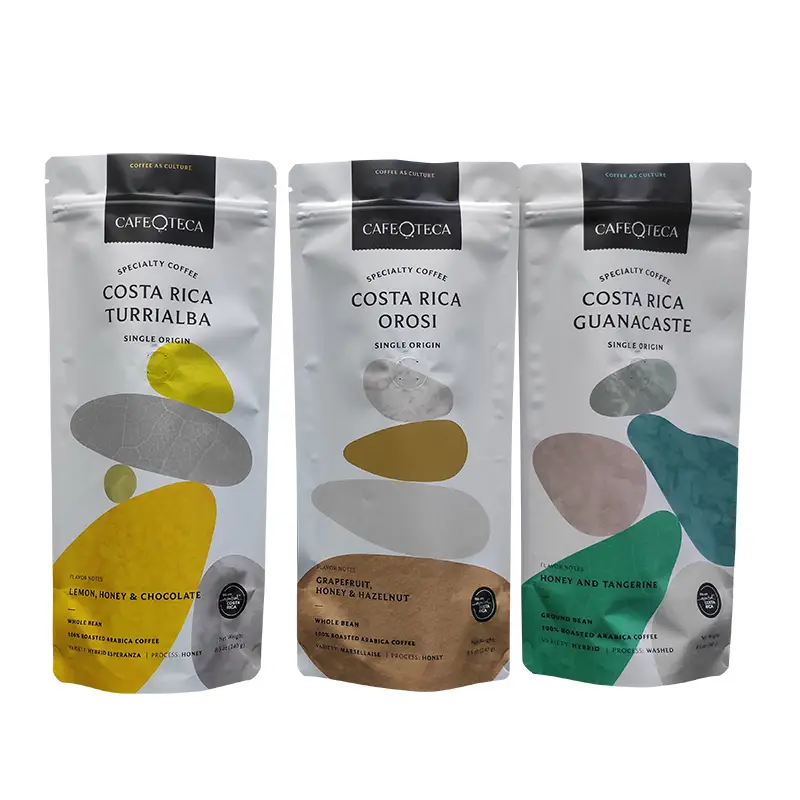
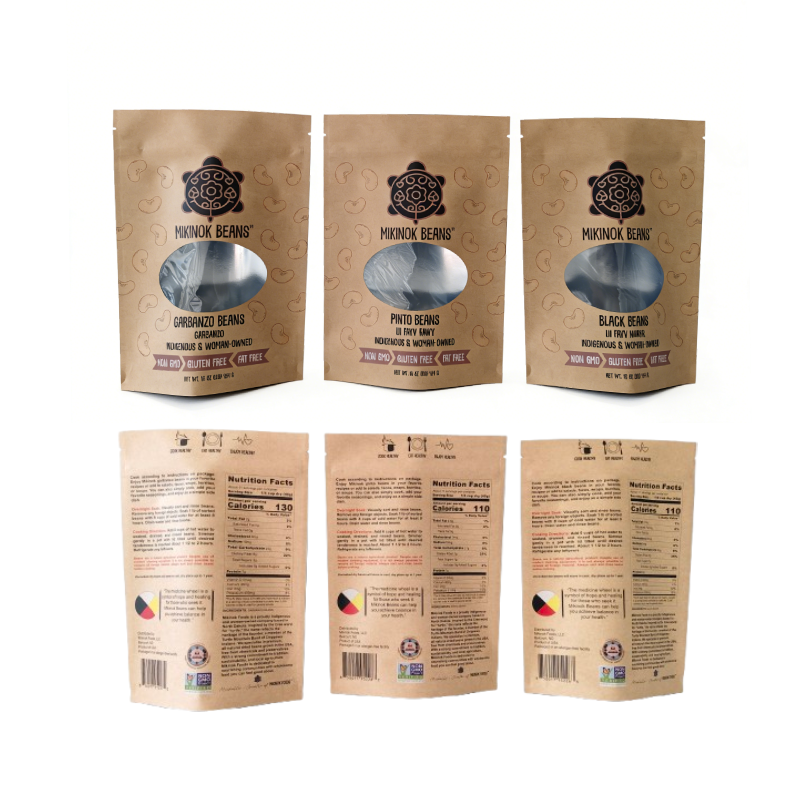
- Stand‑up pouches for snacks and coffee
- Flat pouches for frozen and dry foods
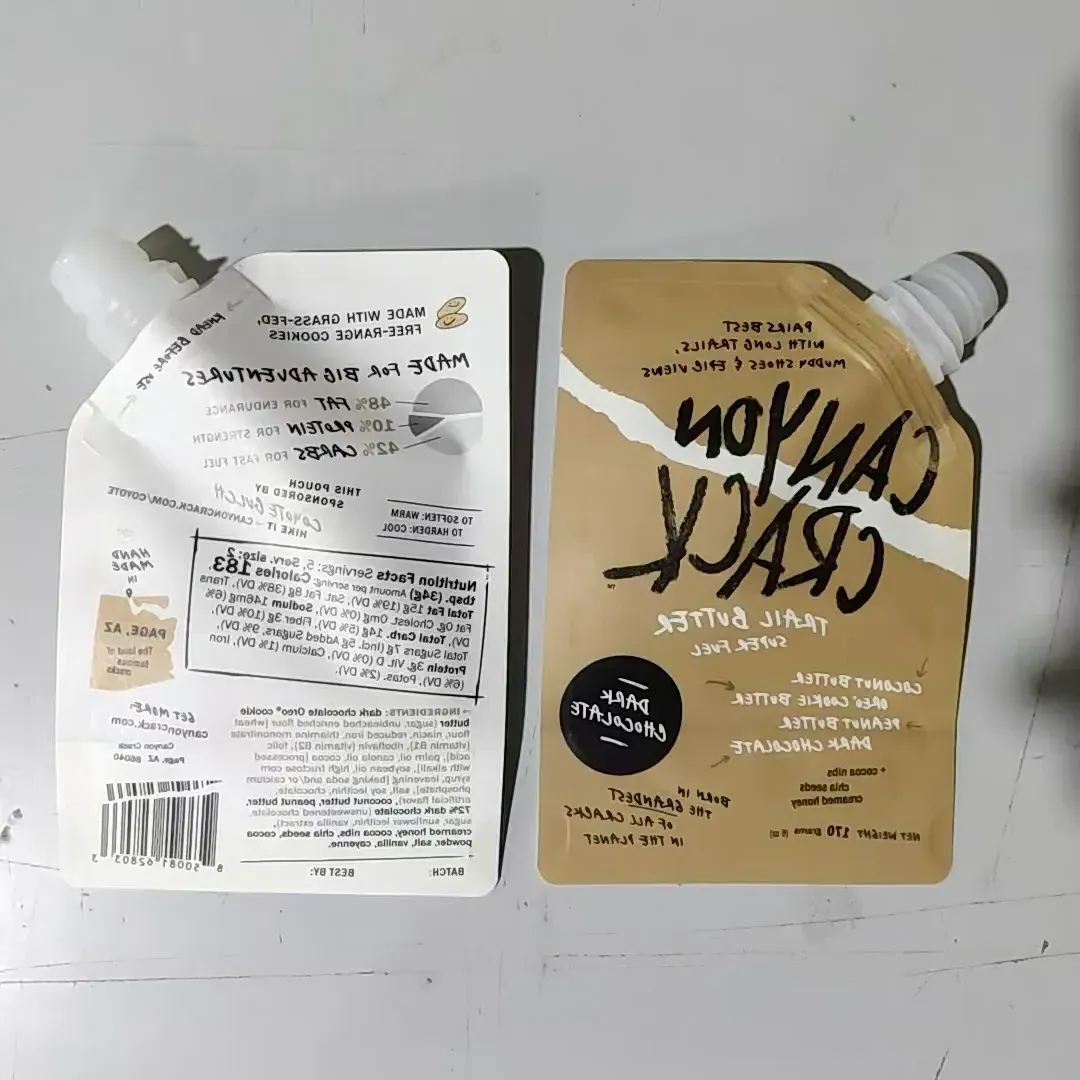
- Spouted pouches for sauces and liquids
2. Omni‑channel packaging for retail and e‑commerce
Brands now need bags that survive parcel shipping yet still look premium in stores. Design once, test for both channels, and keep labeling clear and simple.
- Drop‑test ready seals and corners
- Scannable barcodes and QR codes
- Space for shipping labels if mailed
3. Data‑driven packaging specifications
Teams use shelf‑life tests and transit data to set clear specs for barrier, seal strength, and pack formats, avoiding trial‑and‑error ordering and hidden waste.
| Metric | Why it matters |
|---|---|
| Oxygen transmission rate | Controls oxidation of fats and coffee |
| Moisture barrier | Keeps snacks and powders crisp |
4. Lower MOQs for faster product launches
Smaller order quantities let brands test new flavors and designs without tying up cash. Look for suppliers that support fast changeovers and digital print.
- Pilot runs for new SKUs
- Seasonal or limited‑time graphics
- Reduced inventory risk
🌱 Sustainable materials and compliance standards for modern food packaging bags
In 2026, buyers favor recyclable or compostable bags that still meet strict food safety laws. Clear documentation and traceability are now basic supplier requirements.
Check local recycling rules, migration limits, and material certifications before choosing structures for snacks, frozen foods, coffee, and pet food lines.
1. Popular eco‑friendly material options
Brands often mix mono‑material PE or PP, paper laminates, and compostable films. Each has different shelf‑life, feel, and recycling routes to consider.
| Material | Key benefit | Best for |
|---|---|---|
| Mono‑PE | Recyclable in many markets | Frozen and dry foods |
| Paper/film | Natural look | Snacks, bakery |
| Compostable film | Organic branding | Premium niche lines |
2. Food safety, migration, and global standards
Ask suppliers for FDA, EU, or local food‑contact compliance plus certificates for inks and adhesives. This protects your brand and speeds audits and retailer approvals.
- Food‑grade resins and coatings
- Low‑migration inks
- Lot traceability and testing reports
3. Simple EHS and recycling communication on pack
Use short on‑pack messages and icons so shoppers know how to dispose of bags. Clear guidance boosts recycling rates and supports brand trust.
- Recycling symbols that match local systems
- Plain “Store Drop‑off” or “Not Recyclable Yet” text
4. Sustainability KPI tracking with bar chart insights
Leading buyers track recycled content, packaging weight, and waste. Use dashboards to compare SKUs and drive yearly improvement goals with your packaging partner.
🧪 Barrier performance, sealing options, and freshness protection technologies
Barrier strength, seal quality, and active freshness tools decide how long food stays safe, tasty, and marketable across complex, global supply chains.
Define barrier targets by product type, then choose bag structure and closures that match real shipping, storage, and retail conditions.
1. Matching barrier levels to product needs
High‑oil snacks, coffee, and powdered dairy need strong oxygen and moisture barriers. Grains and frozen items often accept simpler, lower‑cost structures.
| Product | Oxygen barrier | Moisture barrier |
|---|---|---|
| Coffee | Very high | Medium |
| Chips | High | High |
| Rice | Low | Medium |
2. Sealing and closure features
Strong heat seals protect from leaks, while reclosable features improve user experience and cut food waste at home or in foodservice settings.
- Heat seals and cold‑seal for speed lines
- Press‑to‑close zippers and sliders
- Tear notches and laser scoring
3. Active and smart freshness tools
Valve systems, moisture absorbers, and basic indicators reduce risk for high‑value goods. Choose simple, proven tech to keep costs and complexity under control.
- Degassing valves for coffee
- Oxygen or moisture absorbers for snacks
🎨 Customization, printing, and branding strategies with KB Packaging solutions
In 2026, printing and structure choices must support strong shelf impact, clean storytelling, and cost‑efficient runs for both big and small brands.
KB Packaging offers flexible custom options across sizes, materials, and finishes to match growing, seasonal, and private‑label food programs.
1. Choosing the right bag style for your brand
Structure and shape strongly influence how products look and stack. Choose formats that fit your brand story, shelf space, and equipment today and tomorrow.
- Custom Box bottom pouch/Flat bottom pouch/8 side sealed bag Manufacturer With Lower MOQ
- Custom Back sealed bag/Pillow pouch Manufacturer With Lower MOQ
2. Print methods and graphic impact
Digital printing works best for short runs and frequent changes. Gravure and flexo printing shine on stable, high‑volume SKUs that demand rich color depth.
| Method | Best for |
|---|---|
| Digital | Small runs, fast changes |
| Gravure | Large runs, high detail |
| Flexo | Mid‑large runs, solid colors |
3. E‑commerce‑ready branded mailers
Direct‑to‑consumer food brands use strong printed mailer bags that protect primary packs and extend the unboxing moment from click to kitchen counter.
- Custom Mailer bag /Courier bag Manufacturer With Lower MOQ
- Room for branding, safety, and return labels
📊 Cost efficiency, logistics, and storage considerations with KB Packaging bags
Cost‑effective wholesale packaging balances material performance, freight efficiency, and warehouse space while still protecting food quality and brand image.
Work with KB Packaging to model total landed cost instead of focusing only on per‑bag prices when comparing structures and formats.
1. Optimizing pack formats for freight savings
Thinner films and smart bag shapes can boost case counts and fill more of each pallet, cutting CO₂ per unit and per‑pack logistics costs.
- Flat shipping of unfilled pouches
- Tighter case and pallet layouts
2. Storage, shelf, and warehouse efficiency
Stable cases, stackable outer packs, and correct carton strengths protect goods in storage and stop damage from humidity or over‑stacking.
| Factor | Benefit |
|---|---|
| Right carton strength | Less crushing loss |
| Clear labels | Faster picking |
3. Lead times, MOQs, and cash flow
Shorter lead times and realistic MOQs reduce excess stock and write‑offs. Align forecast, safety stock, and print cycles with your supplier’s schedule.
- Use rolling forecasts by SKU
- Plan artwork changes by quarter
Conclusion
Wholesale food packaging in 2026 demands smart choices on materials, barrier, and branding. Buyers must link safety, cost, and sustainability in one clear plan.
By working with a flexible partner like KB Packaging, brands can test ideas quickly, manage risk, and scale the right bag solutions across channels and regions.
Frequently Asked Questions about wholesale food packaging bags
1. How do I choose the right barrier level for my product?
Start from shelf‑life and product type. High‑fat, flavored, or coffee products need strong oxygen barriers. Dry, low‑oil foods often accept medium barriers and simpler films.
2. What MOQ should I expect for custom printed bags?
MOQs vary by print method and size. Digital runs can start from a few thousand bags, while gravure or flexo usually need higher volumes to stay cost‑efficient.
3. Are recyclable bags always better than multi‑layer films?
Not always. Recyclable mono‑materials help waste goals, but if they shorten shelf‑life or raise product waste, a higher‑barrier multi‑layer film may be the better choice overall.
4. How long does custom packaging development usually take?
Simple artwork changes can take a few weeks. New structures with tests, samples, and approvals may need 6–12 weeks, depending on product risk and regions.