Importing food packaging shouldn’t feel like choosing between guilt and plastic, yet here you are, drowning in acronyms, “eco” labels, and bags that claim to vanish faster than your profit margins.
This guide simplifies biodegradable bag options, compliance, and testing standards, backed by reports like the UNEP Single-Use Plastics Roadmap, so you can import smarter, greener, and with fewer headaches.
🌱 Definition, Materials, and Core Advantages of Biodegradable Food Packaging Bags
Biodegradable food packaging bags break down under natural conditions into water, carbon dioxide, and biomass. They help importers meet green policies while protecting food quality.
These bags commonly use plant-based or paper-based materials instead of traditional fossil plastics, reducing long-term waste and supporting eco-friendly brand positioning in global markets.
1. What Makes a Bag “Biodegradable”?
Biodegradable bags decompose through microbes in soil, compost, or industrial facilities within a set time. They leave no harmful residue and reduce landfill pressure.
- Breakdown by bacteria and fungi
- No toxic heavy metals
- Suitable for many local waste systems
2. Common Biodegradable Materials
Key materials include PLA, PBAT, starch blends, and kraft paper. Importers can select structures based on food type, barrier needs, and disposal methods in target markets.
| Material | Source | Main Benefit |
| PLA | Corn, sugarcane | Clear, good printability |
| PBAT | Polyester | Flexible, good sealing |
| Kraft paper | Wood pulp | Natural look, strong |
3. Core Advantages for Importers
Biodegradable bags help importers increase brand value, win eco-conscious buyers, and reduce regulatory risks in strict markets like the EU and North America.
- Supports ESG and CSR goals
- Improves shelf appeal with “green” claims
- May lower plastic taxes or fees
4. Typical Food Applications
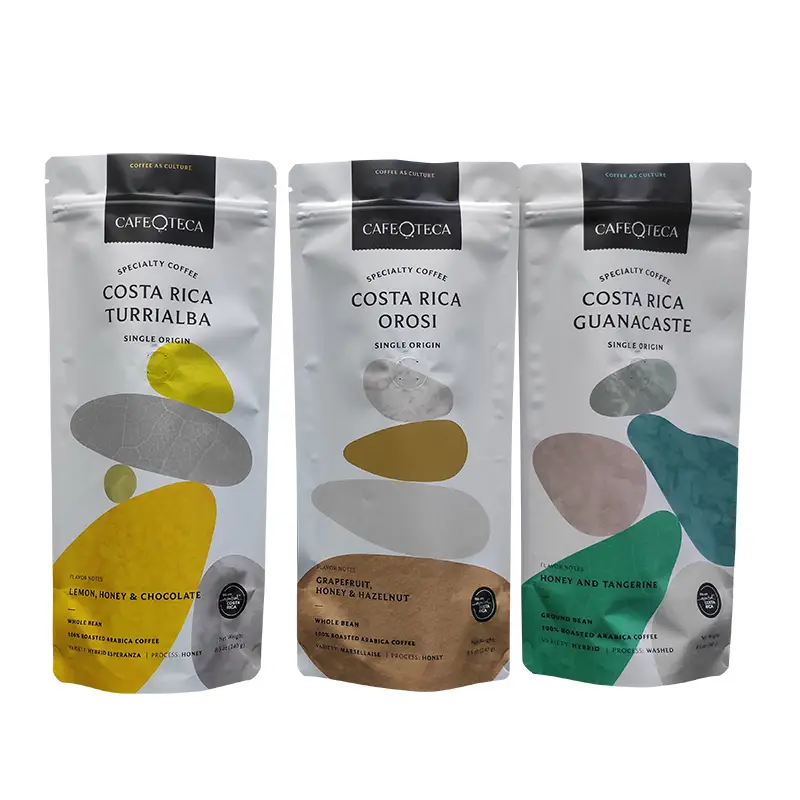
These bags pack snacks, nuts, coffee, tea, pet food, and dry foods. Many products use laminated paper and film to balance barrier and compostability.
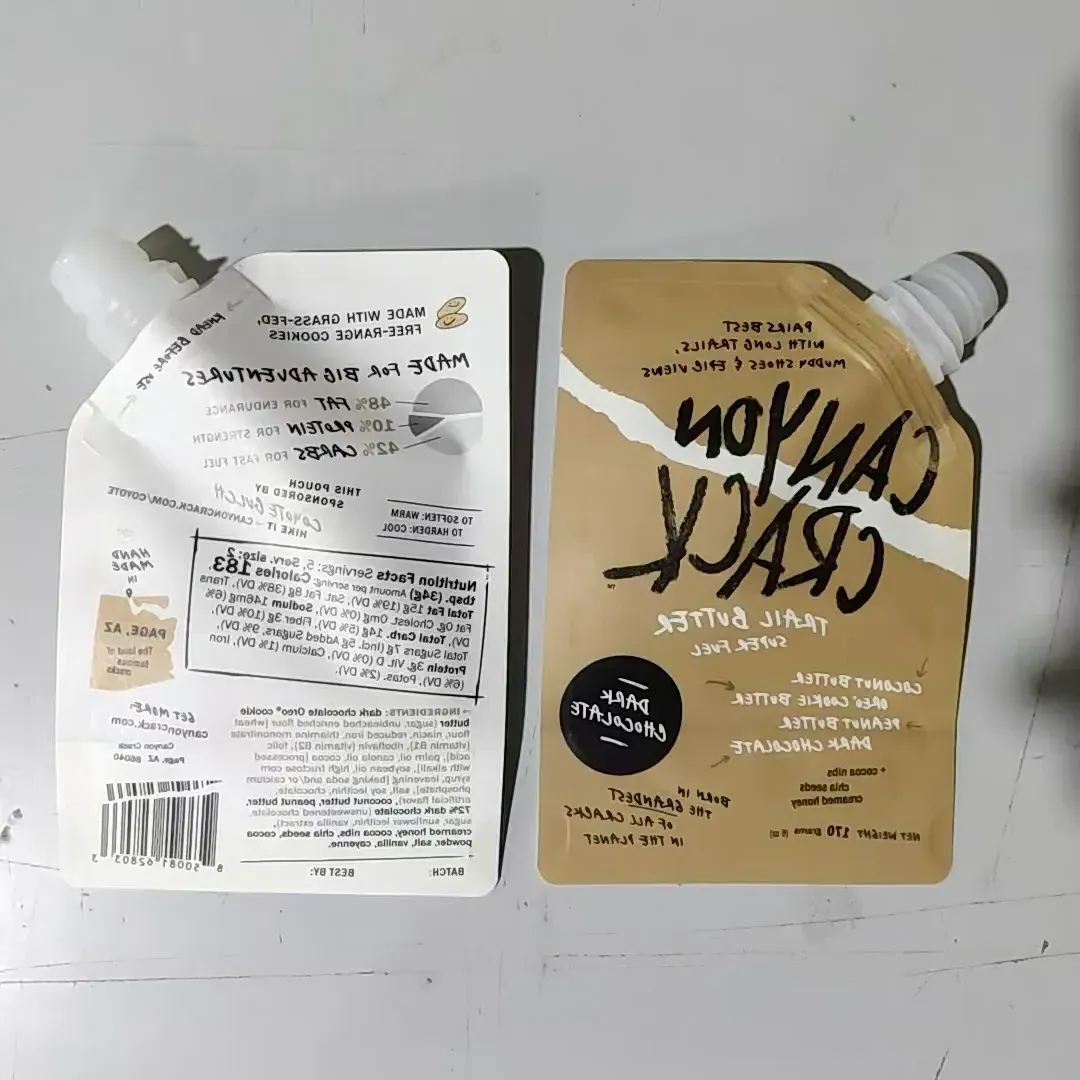
- Stand-up pouches for snacks and nuts
- Flat bottom pouches for coffee and pet food
- Back-sealed pouches for candy or instant food
♻️ Key Environmental Certifications and Global Compliance Standards Importers Must Understand
Knowing key certifications helps importers avoid customs problems, misleading claims, and product recalls. It also builds trust with retailers and eco-focused consumers.
Focus on clear, proven standards so marketing claims match real test data, especially for compostability, food contact safety, and recycled content requirements.
1. Main Compostability Standards (EN 13432, ASTM D6400)
EU EN 13432 and US ASTM D6400 define compostability for packaging. Bags must disintegrate and biodegrade within set periods and pass eco-toxicity tests.
- Lab-tested disintegration in compost
- Minimum 90% biodegradation
- No harmful residues in compost
2. Food Contact Safety (FDA, EU 10/2011)
Food-grade biodegradable bags must meet migration limits and raw material rules. Importers should request declarations of compliance and relevant test reports.
| Region | Key Rule | Focus |
| EU | EU 10/2011 | Plastic food contact |
| USA | FDA 21 CFR | Safe ingredients |
3. Global Market Trend Comparison
Demand for certified biodegradable packaging grows fastest in Europe, followed by North America and Asia-Pacific, driven by bans, taxes, and retailer requirements.
4. Labeling and Green Claims
Importers should avoid vague claims like “eco bag” without proof. Use exact terms such as “industrial compostable” with valid certificates from recognized labs.
- Show standard numbers on artwork
- Keep certificates ready for audits
- Align claims with local laws
🧪 Performance Factors: Barrier Properties, Shelf Life, and Food Safety Requirements
Biodegradable bags must balance oxygen and moisture barriers with seal strength and migration safety while keeping food fresh through the intended shelf life.
Proper structure design and testing reduce product waste and protect brand reputation in demanding retail and e-commerce channels.
1. Oxygen and Moisture Barrier Needs
Snacks, coffee, and dried foods require low oxygen and water vapor transmission to prevent rancidity, texture loss, and aroma fade during shipping and storage.
| Product | Barrier Level |
| Coffee | Very high |
| Chips | High |
| Powder mixes | Medium |
2. Seal Integrity and Mechanical Strength
Strong seals stop leaks, keep gas flushing inside, and handle drop tests. Importers should require heat-seal tests and edge crush checks before mass orders.
- Verify seal width and temperature range
- Test drop resistance with filled bags
- Use reinforced gussets for heavy loads
3. Food Safety and Migration Testing
Biodegradable layers must not transfer harmful substances to food. Suppliers should provide overall and specific migration data for different food types and temperatures.
- Simulant tests for dry, fatty, acidic foods
- Clear lot traceability records
- Support for retailer audits
📦 Packaging Formats, Printing Options, and Customization Tips for Biodegradable Bags
Choosing the right format, print method, and closure helps importers balance cost, visibility, and sustainability while meeting retailer and e-commerce standards.
KB Packaging offers flexible customization with lower MOQ to help brands test markets without high stock risk.
1. Main Biodegradable Bag Formats
Importers often choose stand up, flat bottom, or back sealed pouches based on shelf presentation, filling lines, and transport efficiency.
- Stand up pouches for flexible display
- Flat bottom pouches for heavy fills
- Back sealed pouches for flow-pack lines
2. Printing, Windows, and Brand Storytelling
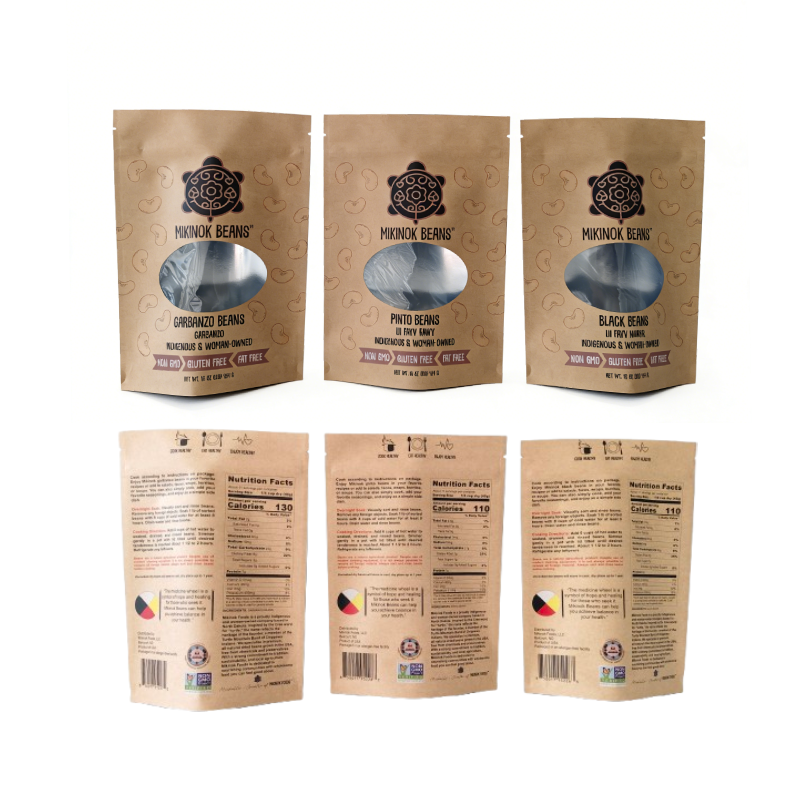
Water-based or compostable inks support eco claims. Clear windows and matte finishes create a natural, premium look that consumers trust in-store and online.
| Option | Benefit |
| Matte finish | Natural, soft touch |
| Window | Shows product quality |
| Spot UV | Highlights logo |
3. Practical Customization Tips for Importers
Start with smaller MOQs, validate bag size with product tests, and confirm valve, zipper, and hang hole options before artwork finalization and tooling.
- Use dielines from supplier
- Confirm filling method and speed
- Run transport trials in target markets
🤝 Choosing Reliable Suppliers: Why Importers Prefer KB Packaging for Long-Term Cooperation
Stable quality, clear documents, and flexible service matter more than lowest price. KB Packaging focuses on long-term business with importers worldwide.
Their technical team supports structure design, testing, and compliance, helping importers reduce risk from new biodegradable materials.
1. Strong Product Range and Lower MOQ
KB Packaging covers many biodegradable formats, including flat bottom, kraft paper, and back sealed bags, with lower MOQ to support new launches.
- Custom Box bottom pouch/Flat bottom pouch/8 side sealed bag Manufacturer With Lower MOQ
- Custom Kraft paper bag with window With Lower MOQ
- Custom Back sealed bag/Pillow pouch Manufacturer With Lower MOQ
2. Compliance Support and Documentation
KB Packaging helps importers prepare test reports, declarations, and certificates for customs and retailer audits, cutting delays and extra testing cost.
| Support | Value |
| Material traceability | Faster audits |
| Compliance files | Smoother customs |
3. Service for Growing Brands and Large Importers
From start-ups to major chains, KB Packaging offers sampling, structure advice, and stable lead times, supporting long-term cooperation and market expansion plans.
- Fast prototype samples
- Clear lead time commitments
- Dedicated sales follow-up
Conclusion
Biodegradable food packaging bags help importers meet strict rules, reduce plastic impact, and add real value to brands targeting eco-aware consumers.
By understanding materials, standards, and performance needs, and by working with expert suppliers like KB Packaging, importers can scale sustainable packaging with confidence.
Frequently Asked Questions about biodegradable food packaging bags
1. Are biodegradable bags always compostable?
No. Some biodegradable bags break down in natural conditions but do not meet strict compostability standards. Check for EN 13432 or ASTM D6400 certificates before claiming “compostable.”
2. Can biodegradable bags replace plastic in all food uses?
Not yet. Many dry foods work well, but very high-barrier or long-life chilled products may still need advanced structures. Test each product with your supplier.
3. How should importers verify supplier claims?
Ask for third-party test reports, valid certificates, and detailed structure specs. Confirm standard numbers, lab names, and test dates match your target markets.
4. Do biodegradable bags cost more?
They often cost more than basic plastic, but they may cut plastic taxes, improve sales, and support premium pricing due to clear sustainability benefits.
5. What is the typical lead time for custom biodegradable bags?
Lead time usually ranges from 3–6 weeks after artwork approval, depending on structure, printing complexity, and order quantity. Confirm timelines before each shipment.